
Emotional Abuse vs. High-Conflict Co-Parenting: Why the Difference Matters in Child Therapy

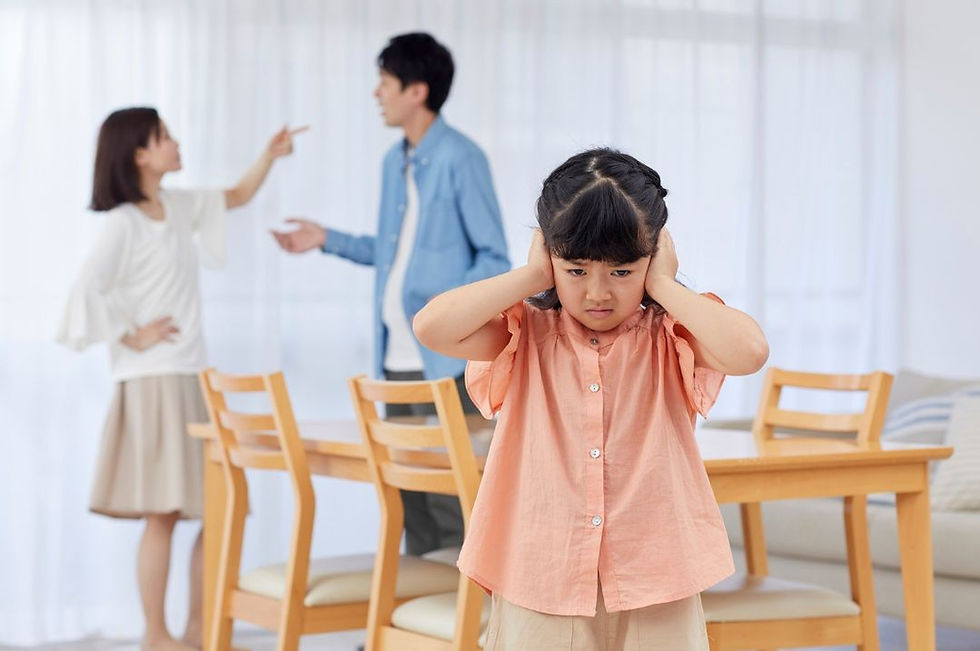
One of the most common situations child therapists encounter is a child who presents with significant emotional, behavioral, or relational difficulties while the adults in the child's life describe ongoing problems between the parents. The child may be referred for anxiety, emotional dysregulation, behavioral outbursts, aggression, withdrawal, school difficulties, attachment concerns, oppositional behavior, or problems with emotional functioning. In many cases, the child's symptoms are severe enough that they become the primary focus of concern for parents, schools, and treatment providers.
As treatment begins, therapists often hear familiar descriptions of the family environment. Parents may describe ongoing "communication problems," "high conflict," "co-parenting difficulties," or a relationship that has become "mutually toxic." They may report frequent arguments, disagreements about parenting, recurring disputes regarding the child's needs, or an inability to work together effectively. In separated or divorced families, these descriptions are especially common, and it can be tempting to view the difficulties primarily as a co-parenting problem that is contributing to the child's distress.
However, one of the most important and often overlooked clinical questions is whether the therapist is observing a genuinely high-conflict parental relationship or a family system in which emotional abuse, coercive control, intimidation, domination, or significant power imbalances are present. This distinction matters because the child's symptoms may look remarkably similar in both situations. Emotional abuse vs high conflict co-parenting
A child living in a high-conflict family may present with anxiety, emotional reactivity, behavioral dysregulation, sleep problems, concentration difficulties, school struggles, attachment disruptions, or emotional overwhelm. A child living in a family affected by coercive control or emotional abuse may present with many of these same symptoms. Both children may appear anxious. Both may have behavioral difficulties. Both may become emotionally dysregulated. Both may struggle in relationships. Both may demonstrate aggression, withdrawal, perfectionism, or emotional volatility.
When clinicians focus primarily on the child's symptoms without carefully assessing the relational environment surrounding those symptoms, it becomes easy to assume that all parental conflict functions similarly. Yet conflict intensity alone is often not what shapes the child's experience most profoundly. Children are not only responding to how much conflict exists. They are responding to how conflict functions within the family system.
The child's nervous system is continuously assessing factors such as emotional safety, predictability, power, control, fear, and the consequences of emotional expression. A family characterized by frequent arguments between relatively equal partners creates a very different developmental environment than a family in which one parent dominates, intimidates, controls, manipulates, or creates chronic emotional fear within the household. While both situations can be harmful, the mechanisms shaping the child's adaptation are often fundamentally different.
In high-conflict families, children may become overwhelmed by exposure to chronic disagreement, emotional volatility, inconsistent parenting, and relational instability. In abusive or coercively controlling systems, children are often adapting not only to conflict but also to power imbalances, emotional consequences, fear-based attachment dynamics, role burdens, and environments in which emotional safety is compromised. The child may become organized around monitoring danger, preserving attachment, avoiding retaliation, protecting a parent, suppressing authentic emotions, or managing the emotional needs of the family system.
These distinctions are not merely theoretical. They have profound implications for treatment. When emotional abuse is mistaken for mutual conflict, therapists may inadvertently conceptualize the problem as a communication issue rather than a safety issue. Interventions that are appropriate for high-conflict families may become ineffective or even harmful when coercive control is present. Treatment goals change. Parent involvement changes. Safety planning changes. Family interventions change. The therapist's understanding of the child's symptoms changes.
Perhaps most importantly, the meaning of the child's behavior changes. A behavioral outburst may reflect emotional dysregulation in one family and survival-based activation in another. Withdrawal may reflect anxiety in one child and emotional self-protection in another. Compliance may reflect cooperation in one context and fear-based adaptation in another. Without understanding the family system surrounding the symptom, therapists risk treating the behavior while missing the forces that are shaping it.
The central task, therefore, is not simply understanding the child. It is understanding the environment to which the child is adapting. Differentiating abuse from high conflict is essential because it fundamentally alters case conceptualization, treatment planning, parent involvement, safety assessment, and therapeutic intervention. The child may be the identified client, but the child's symptoms are often deeply intertwined with the relational system in which they are developing. When therapists accurately recognize the difference between conflict and coercion, they are better positioned to understand what the child's behavior is communicating and what healing will ultimately require.
Why This Distinction Matters in Child Therapy
One of the greatest challenges in child therapy is that children exposed to fundamentally different family dynamics often present with remarkably similar symptoms. A child living in a genuinely high-conflict family may appear anxious, emotionally reactive, behaviorally dysregulated, withdrawn, aggressive, or struggling at school. A child living in a family characterized by emotional abuse, coercive control, intimidation, or chronic fear may present in almost identical ways. On the surface, both children may look distressed. Both may exhibit emotional and behavioral symptoms significant enough to warrant therapeutic intervention.
This overlap is one of the primary reasons abuse and high conflict are so frequently confused in clinical settings. Children in both environments commonly develop anxiety, emotional dysregulation, somatic complaints, sleep difficulties, concentration problems, attachment insecurity, divided loyalties, behavioral outbursts, emotional shutdown, and academic struggles. They may become highly sensitive to conflict, demonstrate difficulty regulating emotions, or appear preoccupied with family relationships. From a symptom perspective, the presentations can look strikingly similar. As a result, therapists who focus primarily on symptom presentation without thoroughly assessing family power dynamics may incorrectly conclude that they are observing the effects of general parental conflict when the child is actually adapting to coercion, fear, domination, or emotional abuse.
Surface Symptoms Can Mask Very Different Family Dynamics
One of the most important realities in child therapy is that similar symptoms do not necessarily indicate similar causes. Two children may both present with severe anxiety, but one may be reacting to chronic exposure to emotionally volatile disagreements between parents while the other is adapting to a family system organized around intimidation, emotional control, or fear. Both children may appear hypervigilant, yet the source of that vigilance may be dramatically different. Likewise, two children may demonstrate emotional dysregulation. One child's dysregulation may emerge from chronic exposure to inconsistent parenting and repeated parental arguments. Another child's dysregulation may represent a nervous system that has spent years adapting to coercive control, emotional unpredictability, and attachment-based fear.
Without understanding the relational environment surrounding the symptoms, therapists risk assuming that all conflict exposure affects children in the same way. In reality, the child's nervous system is responding not only to the presence of conflict but also to the meaning of that conflict within the family system.
The Clinical Risk of Misidentification
When therapists fail to distinguish between high conflict and abuse, treatment planning can quickly move in the wrong direction. A common clinical assumption is that both parents are contributing equally to the problem. When parents describe communication difficulties, frequent arguments, co-parenting disagreements, or ongoing hostility, therapists may understandably conceptualize the situation as mutual conflict. This often leads to treatment approaches focused on improving communication, increasing cooperation, reducing conflict exposure, or helping both parents share responsibility for relational difficulties.
While these interventions may be appropriate in genuinely high-conflict situations, they can become problematic when coercive control or abuse is present. In abusive systems, the problem is often not a communication failure between equal participants. The problem may be a power imbalance in which one individual controls, dominates, manipulates, intimidates, or creates chronic emotional fear within the family system. In these circumstances, assuming equal contribution can obscure the very dynamics that are harming the child. The result is that the child's symptoms become conceptualized as a reaction to "parental conflict" rather than a response to ongoing exposure to fear, coercion, emotional insecurity, or chronic relational threat.
Why Premature Co-Parenting Interventions Can Be Harmful
One of the most significant risks involves prematurely encouraging co-parenting interventions, joint parent work, or communication-focused treatment without adequately assessing for abuse. In high-conflict situations, helping parents improve communication may reduce stress for everyone involved. However, in coercive systems, increased communication can sometimes create additional opportunities for control, manipulation, intimidation, or retaliation.
When abuse is present, encouraging both parents to engage as though they hold equal power within the relationship may inadvertently reinforce the existing imbalance. The abusive dynamics become hidden beneath language such as "communication difficulties," "mutual conflict," or "co-parenting struggles." In some cases, the parent experiencing coercion may feel pressured to participate in interventions that increase vulnerability rather than safety. Meanwhile, the child continues adapting to the same underlying dynamics that contributed to the symptoms in the first place.
How Neutrality Can Reinforce Harm
Therapists often strive to maintain neutrality when working with families. While neutrality can be valuable in many contexts, it becomes more complicated when significant power imbalances exist. When one parent is engaging in coercive, controlling, intimidating, or emotionally abusive behavior, strict neutrality may unintentionally communicate that both parties are equally responsible for the problem. The therapist may avoid examining power dynamics in an effort to remain balanced, yet this avoidance can render the abusive patterns effectively invisible.
Children are highly sensitive to these dynamics. If the therapy process fails to recognize the realities the child is adapting to, the child may continue carrying the burden of managing fear, divided loyalties, emotional pressure, or attachment insecurity without meaningful intervention. In these situations, neutrality can sometimes function less as impartiality and more as a failure to identify the conditions contributing to the child's distress.
Why Child Symptoms May Worsen
When abuse is mistaken for conflict, treatment often targets the wrong mechanisms. The therapist may focus on communication skills when the child's nervous system is organized around fear. The intervention may target conflict resolution while overlooking attachment pressure. The treatment plan may emphasize cooperation when the child is adapting to domination, emotional unpredictability, or coercive control. As a result, symptoms may persist or even worsen.
The child continues experiencing the same emotional environment, yet the treatment framework fails to address the forces driving the adaptation. The therapist may become increasingly focused on symptom reduction while missing the relational conditions that maintain those symptoms. This can be particularly confusing for families because the child may actively participate in therapy, develop insight, and learn emotional skills while still showing limited improvement in daily functioning.
The Nervous System Responds Differently to Conflict Than to Coercion
Perhaps the most important clinical distinction is that not all conflict exposure affects children in the same way. In genuinely high-conflict systems, children are often responding to repeated exposure to emotional volatility, disagreement, inconsistency, and relational instability. While these experiences can be highly stressful, the child may not necessarily be organizing around chronic fear of a particular caregiver.
In coercive or abusive systems, however, the nervous system often becomes organized around a different set of realities. The child may be adapting to intimidation, domination, emotional consequences, attachment threats, unpredictability, or the need to constantly monitor relational safety. The child's behaviors frequently become survival-based rather than simply stress-based. This distinction matters because survival adaptations require different therapeutic responses than conflict-related distress.
The Question That Changes Everything
The most important clinical question is not simply whether parents argue. The more important question is how power, fear, emotional safety, attachment pressure, and relational consequences operate within the family system. Children do not respond solely to the volume of conflict they witness. They respond to the emotional realities they must navigate to maintain safety, attachment, belonging, and stability. Two families may look similar from the outside while creating profoundly different developmental environments for the child.
For therapists, accurately distinguishing abuse from high conflict is not merely a diagnostic exercise. It is a foundational aspect of case conceptualization that influences treatment goals, parent involvement, safety planning, intervention strategies, and ultimately the child's ability to heal. Understanding the difference allows clinicians to move beyond surface symptoms and begin addressing the actual conditions to which the child is adapting.
Defining High-Conflict Co-Parenting vs. Emotional Abuse in Family Systems
One of the most important responsibilities for therapists working with children is accurately distinguishing between a family system characterized by high conflict and one characterized by emotional abuse, coercive control, or chronic domination.
This distinction is particularly important because many families describe their difficulties using similar language. Terms such as "high conflict," "communication problems," "toxic relationship," or "constant fighting" may be used regardless of whether the underlying issue involves mutual dysregulation between caregivers or a pattern of coercion and control exerted by one individual. Without careful assessment, therapists may inadvertently conceptualize fundamentally different family systems as if they are the same. Understanding the distinction requires looking beyond the existence of conflict and examining how power, fear, emotional consequences, and relational safety function within the family.
High-Conflict Family Systems
High-conflict family systems are characterized by chronic disagreement, emotional reactivity, and recurring interpersonal conflict between caregivers. In these families, both adults may struggle with emotional regulation, conflict resolution, communication, boundary-setting, or effective co-parenting. Arguments may be frequent, emotions may escalate quickly, and family interactions may feel chaotic or exhausting.
The defining feature, however, is that power generally remains relatively fluid. Neither parent consistently occupies a position of domination over the other. Both individuals may contribute to conflict. Both may escalate. Both may become emotionally reactive. The relationship may be dysfunctional, unhealthy, and stressful, but the dysfunction is often rooted in mutual patterns rather than a sustained system of control exercised by one person over another.
Children growing up in high-conflict environments are often exposed to significant emotional instability. They may witness arguments, experience inconsistent parenting, observe emotional volatility, and feel caught between competing perspectives. As a result, many develop anxiety, emotional dysregulation, divided loyalties, attachment insecurity, concentration difficulties, behavioral problems, or emotional overwhelm.
The child's world often feels unpredictable because conflict can emerge suddenly and repeatedly. They may become highly sensitive to tension within the household and develop concerns about family stability. Some children attempt to mediate disputes or manage the emotional atmosphere around them. Others withdraw emotionally or become behaviorally reactive.
Despite these challenges, the child is generally not required to organize their entire emotional life around the domination of one parent by the other. While loyalty conflicts may still develop, the child is usually navigating instability rather than chronic fear of a particular caregiver. The primary stressor is often exposure to repeated conflict and emotional dysregulation rather than adaptation to a persistent power imbalance.
How Children Adapt in High-Conflict Systems
Children exposed to high-conflict family dynamics often develop adaptations designed to manage unpredictability. Some become hyperaware of conflict cues and attempt to anticipate arguments before they occur. Others become emotionally reactive themselves because emotional escalation has become normalized within the family system. Some children develop people-pleasing behaviors in an effort to reduce tension, while others become withdrawn, avoidant, or emotionally disengaged. Many experience divided loyalties as they attempt to maintain attachment relationships with both parents. They may feel caught in the middle of disagreements or pressured to navigate competing parental perspectives.
Importantly, however, these adaptations are generally responses to instability, inconsistency, and emotional overwhelm rather than responses to chronic domination or fear-based control.
Emotionally Abusive and Coercively Controlling Family Systems
Emotionally abusive and coercively controlling family systems operate according to a fundamentally different dynamic. While conflict may be present, the central issue is not mutual dysregulation. The defining feature is the existence of a significant power imbalance in which one individual consistently exerts control over the emotional, psychological, relational, or behavioral functioning of others within the family.
This control can take many forms. It may involve intimidation, emotional manipulation, domination, chronic criticism, gaslighting, threats, humiliation, punishment, emotional withdrawal, monitoring, coercion, or the creation of an atmosphere in which disagreement carries emotional consequences. The abusive individual may not be physically violent, yet the family system becomes organized around managing that person's reactions, demands, expectations, or emotional states.
In these environments, fear often becomes a central organizing force. Children learn that certain thoughts, emotions, behaviors, opinions, or forms of self-expression may provoke negative consequences. The goal becomes less about navigating conflict and more about avoiding activation of the controlling person's reactions.
The Child's Experience in Coercively Controlling Systems
Children living in coercively controlling environments often develop very different adaptations than children living in high-conflict systems. One of the most common is chronic vigilance. Rather than simply monitoring for arguments, the child becomes highly attuned to the emotional state of the dominant individual. They learn to track mood shifts, facial expressions, tone of voice, routines, preferences, and signs of potential escalation.
Emotional monitoring becomes a survival strategy. The child may spend enormous amounts of mental energy attempting to predict reactions, avoid mistakes, prevent conflict, or maintain emotional equilibrium within the household. Their attention becomes focused outward on managing the environment rather than inward on their own needs and development.
Fear of triggering reactions often becomes a central feature of daily life. The child may suppress authentic feelings, avoid disagreement, conceal emotions, or carefully manage self-expression in order to maintain safety and attachment. Over time, many children begin experiencing role reversal and parentification. Rather than caregivers regulating the emotional environment, the child becomes responsible for monitoring, managing, or accommodating the needs of the adults around them. The child's developmental needs gradually become secondary to maintaining stability within the family system.
Identity Suppression and Attachment Adaptation
One of the most significant consequences of coercive control is the gradual suppression of the child's authentic self. Children naturally develop through exploration, self-expression, emotional experimentation, and increasing autonomy. In coercive environments, however, authenticity can feel risky. The child may learn that certain emotions are unacceptable, certain opinions create problems, and certain forms of independence carry consequences.
As a result, they begin shaping themselves around safety rather than self-discovery. Their behaviors, emotional expressions, and even identities may become increasingly organized around attachment preservation and threat reduction. Over time, the child may struggle to distinguish what they genuinely feel from what they believe they are allowed to feel. This process is very different from the emotional instability typically observed in high-conflict families.
What the Child's Nervous System Is Actually Responding To
The most important distinction is that the core problem in abusive family systems is not simply exposure to conflict. Children can witness frequent arguments in a high-conflict family and experience significant distress. However, the child's nervous system is often responding primarily to instability, emotional dysregulation, and unpredictability. In coercively controlling systems, the nervous system is adapting to something more profound: chronic exposure to power imbalances, emotional consequences, attachment threats, and fear. The child is not simply learning how to manage conflict. They are learning how to survive within a system organized around domination and control.
For therapists, this distinction is critical because it fundamentally changes how the child's symptoms are understood. What appears to be anxiety may actually be vigilance. What appears to be compliance may actually be fear. What appears to be loyalty may actually be attachment preservation. What appears to be emotional dysregulation may actually be a nervous system responding exactly as it was trained to respond in an environment organized around power and threat.
Understanding whether a child is adapting to mutual conflict or chronic coercion is not a minor clinical nuance. It is one of the most important factors influencing accurate assessment, case conceptualization, treatment planning, safety considerations, and ultimately the child's path toward healing.
Why “Mutual Conflict” Frameworks Can Fail
One of the most common conceptual frameworks used in family therapy, co-parenting interventions, custody evaluations, and child treatment is the assumption that both parents are contributing relatively equally to the dysfunction. In many genuinely high-conflict families, this framework can be useful. When both parents struggle with emotional regulation, communication, boundary-setting, conflict management, or co-parenting skills, treatment often benefits from examining how each person's behavior contributes to the larger relational pattern.
However, one of the greatest clinical risks occurs when this same framework is automatically applied to families in which emotional abuse, coercive control, intimidation, or chronic power imbalances are present. In these situations, a mutual conflict model can obscure critical information about how the family system actually functions. Behaviors that appear similar on the surface may emerge from very different underlying realities. As a result, therapists may inadvertently misidentify survival responses as equal participation in the problem.
The Common Clinical Assumption: “Both Parents Contribute Equally”
Many therapists are trained to think systemically, which often includes exploring how multiple family members influence one another. This approach is valuable in many contexts because family dynamics are rarely one-directional. However, systemic thinking can sometimes become oversimplified when clinicians assume that because both parents are distressed, reactive, angry, emotional, or involved in conflict, both must be contributing equally to its creation and maintenance.
This assumption often sounds reasonable. The therapist sees two upset parents. Both report grievances. Both appear frustrated. Both may describe feeling misunderstood. Both may report difficult interactions. From a surface-level perspective, the situation appears mutual. The problem is that equal visibility does not necessarily mean equal responsibility, equal power, or equal influence. When therapists focus primarily on observable conflict while overlooking power dynamics, they may unintentionally interpret all reactions as equivalent.
Why Survival Responses Can Look “Mutual”
One reason coercive systems are often misunderstood is that survival responses frequently resemble the very behaviors therapists are trained to identify as contributing to conflict. A parent experiencing chronic intimidation, manipulation, domination, invalidation, or coercive control may eventually become reactive. They may become emotionally overwhelmed, frustrated, angry, anxious, defensive, or dysregulated. Over time, they may begin exhibiting behaviors that look remarkably similar to those of the person creating the instability.
Without understanding the context surrounding those behaviors, the therapist may conclude that both individuals are engaging in equivalent dysfunction. However, identical behaviors do not necessarily emerge from identical circumstances. One person's emotional escalation may be an attempt to maintain control. Another person's emotional escalation may be the result of prolonged exposure to chronic psychological pressure. The behaviors may look similar, but the functions can be entirely different.
The Problem of Context-Free Assessment
Human behavior is often interpreted through observation alone. A therapist may witness:
anger
emotional intensity
defensiveness
frustration
anxiety
emotional flooding
and assume these observations reveal the nature of the relationship.
In reality, behavior without context can be highly misleading. For example, a person who appears emotionally reactive in therapy may have spent years attempting to manage coercive dynamics, repeated invalidation, or chronic manipulation. Their nervous system may be responding to accumulated stress rather than creating it. Likewise, the person who appears calm, controlled, measured, and emotionally regulated may actually occupy the dominant position within the family system. This is one reason coercive control is so frequently overlooked. Therapists are often trained to pay attention to what is visible, while coercive power frequently operates through what remains hidden.
The Targeted Parent May Appear Reactive
One of the most common misunderstandings occurs when the targeted parent begins exhibiting signs of chronic stress. Over time, exposure to coercive dynamics can produce:
anxiety
hypervigilance
emotional flooding
irritability
panic responses
confusion
emotional exhaustion
difficulty regulating emotions
The parent may become highly reactive when discussing certain situations because their nervous system associates those situations with threat. In session, this parent may appear less composed than the controlling parent. They may cry. They may become frustrated. They may struggle to organize their thoughts. They may appear emotionally overwhelmed. Meanwhile, the controlling parent may remain calm, articulate, logical, and persuasive.
When viewed through a mutual conflict lens, therapists may mistakenly conclude that the more emotionally reactive parent is equally responsible, or perhaps even more responsible, for the family dysfunction. Yet trauma and chronic coercion frequently produce exactly these kinds of nervous system responses.
Introducing Reactive Survival Responses
A critical concept often missing from mutual conflict models is the understanding of reactive survival responses. When individuals experience prolonged exposure to coercion, fear, intimidation, emotional manipulation, or chronic psychological pressure, their nervous systems often shift into survival mode. As a result, they may exhibit:
Dysregulation
The person struggles to remain emotionally regulated because their nervous system has been operating under chronic stress.
Panic Responses
Situations that appear minor to outside observers may trigger intense anxiety because they activate memories of prior emotional consequences.
Emotional Escalation
What appears to be overreaction may actually reflect accumulated stress, helplessness, fear, or frustration.
Confusion
Many individuals exposed to coercive dynamics begin doubting their own perceptions, memories, and interpretations of events. This confusion can become visible during therapy sessions.
These reactions are often signs of adaptation to chronic threat rather than evidence of equal participation in the creation of that threat.
Why Child Alignment Can Be Misleading
The mutual conflict framework can become even more problematic when clinicians interpret children's behaviors too literally. Children living within coercive systems often organize themselves around safety rather than fairness. As a result, they may appear aligned with the more powerful parent. They may defend that parent. They may minimize concerning behavior. They may protect that parent emotionally. They may criticize the safer parent.
To outside observers, this can appear to confirm the idea that both parents are equally problematic. However, attachment preservation and survival frequently drive these behaviors. Children often align themselves with the person whose reactions feel most dangerous to challenge. This alignment is frequently misunderstood as preference, loyalty, or evidence of emotional safety when it may actually reflect adaptation to power and fear.
Why Power Matters More Than Symptom Similarity
One of the most important clinical mistakes occurs when therapists focus exclusively on behaviors while ignoring power. Two people can appear equally upset while possessing dramatically different levels of influence within a relationship. Two parents can both appear emotional while one consistently controls decisions, narratives, emotional consequences, and family functioning. Two individuals can both engage in conflict while only one person creates the conditions that make the conflict necessary for the other person's survival. Without assessing power dynamics, clinicians risk confusing reactions with causes.
Looking Beyond Reactivity: Understanding Power in Family Systems
Perhaps the most important clinical reframe is this:
Reactivity does not equal equal power.
A person can be highly reactive and still occupy the less powerful position within a relationship. A person can appear calm and still be exercising significant control. A child can appear aligned with one parent and still be adapting to fear. A targeted parent can appear dysregulated and still be responding to chronic coercion.
For therapists, the goal is not simply to identify who is upset, who argues more, or who appears most emotional. The goal is to understand how power operates within the family system and how children and caregivers have adapted to it. When clinicians move beyond mutual conflict assumptions and begin assessing power, fear, emotional consequences, and survival adaptations, many family dynamics that initially appear confusing begin to make much more sense. The focus shifts from asking, “How are both people contributing to the conflict?” to asking, “What role do power, fear, and survival play in the behaviors we are observing?” That shift is often essential for accurate case conceptualization, effective treatment planning, and protecting children from the invisible effects of coercive family systems.
How the Dynamic Changes Treatment Planning
One of the most important reasons therapists must accurately distinguish between high-conflict family systems and abusive or coercively controlling family systems is that the distinction fundamentally alters treatment planning. While children in both environments may present with similar symptoms, the therapeutic goals, interventions, parent involvement, and underlying conceptualization often differ significantly.
When clinicians misidentify coercive control as mutual conflict, treatment can become focused on the wrong problems. Interventions that are effective in high-conflict families may have limited effectiveness, or even create unintended harm, when chronic power imbalances and fear are present. Conversely, approaches designed to address safety, autonomy, and trauma-related adaptations may not be necessary when the primary issue involves mutual emotional dysregulation and poor conflict management. Effective treatment begins with understanding what the child's nervous system is adapting to.
Treatment Planning in High-Conflict Family Systems
When a family system is characterized primarily by high conflict, the child's symptoms often emerge from repeated exposure to emotional volatility, inconsistency, divided loyalties, and relational instability. The child is frequently attempting to navigate an environment that feels unpredictable, emotionally overwhelming, and difficult to make sense of. In these situations, treatment often focuses on helping both the child and the parents create greater stability, predictability, and emotional regulation.
A major goal is increasing emotional regulation throughout the family system. Parents may need support developing greater awareness of how their emotional reactions affect the child and learning strategies for managing conflict more effectively. Children often benefit from interventions that strengthen emotional identification, coping skills, frustration tolerance, and self-regulation.
Communication support may also become an important component of treatment. Parents who struggle with recurring misunderstandings, escalation, or ineffective communication often benefit from learning healthier ways to navigate disagreements while reducing the child's exposure to conflict.
Co-parenting structure is frequently another treatment target. Clear expectations, improved consistency between households, predictable routines, and more coordinated parenting approaches can significantly reduce stress for children living within high-conflict systems. When parents are able to create greater stability, children often experience improvements in emotional functioning, behavior, and overall wellbeing.
Conflict reduction also becomes a central focus. Because the child's distress is often driven by repeated exposure to interpersonal volatility, reducing the frequency, intensity, and visibility of conflict can directly improve the child's sense of safety and stability.
Alongside these family interventions, treatment typically helps children develop coping skills for managing stress, uncertainty, emotional overwhelm, and divided loyalties. The goal is not only to reduce symptoms but also to strengthen the child's capacity to navigate difficult emotions without becoming overwhelmed by them.
Parent Work in High-Conflict Systems
Parent-focused interventions often play a significant role in treatment. Therapists frequently work with parents to improve emotional attunement, helping them better recognize and respond to the child's emotional needs rather than becoming absorbed in their own conflict. Parents may also need support understanding how children experience divided loyalties and how seemingly ordinary disagreements can place children in difficult emotional positions.
Reducing triangulation often becomes another important goal. Children should not be placed in the middle of adult disputes, used as messengers, asked to take sides, or expected to manage parental emotions. Helping parents recognize and reduce these patterns can significantly decrease the emotional burden carried by the child.
Emotional containment is equally important. Parents who can regulate their own emotional reactions create an environment in which children feel less responsible for managing the emotional climate around them. Over time, increased parental regulation often contributes to increased child regulation.
In high-conflict systems, treatment is often aimed at improving the functioning of the family system as a whole. The assumption is that if the environment becomes more stable, predictable, and emotionally regulated, many of the child's symptoms will naturally improve.
Treatment Planning When Emotional Abuse or Coercive Control Is Present
When emotional abuse, coercive control, intimidation, or chronic power imbalances are present, the treatment priorities shift substantially. In these situations, the child's symptoms are often not simply responses to conflict. They are frequently adaptations to chronic threat, emotional consequences, attachment pressure, fear, and survival-based nervous system functioning. As a result, treatment becomes less focused on improving communication and more focused on increasing safety.
One of the primary goals is establishing emotional safety for the child. Children cannot effectively explore emotions, develop autonomy, or engage in healthy self-expression when they remain organized around fear. Therapy often begins by creating an environment where the child can experience emotions without excessive concern about consequences.
Stabilization becomes another critical priority. Many children exposed to coercive dynamics operate in states of chronic activation, vigilance, or emotional burden. Treatment frequently focuses on helping the child experience greater predictability, consistency, and internal stability before deeper therapeutic work can occur.
Nervous system regulation also becomes central to treatment planning. Children adapting to chronic threat often require interventions that address physiological activation, hypervigilance, emotional flooding, and survival-based responses. The goal is not simply behavioral change but helping the nervous system learn that constant threat monitoring is no longer necessary.
Restoring Autonomy and Protecting Identity
One of the most significant differences in treatment involves the restoration of autonomy. Children living within coercive systems frequently suppress aspects of themselves to preserve attachment or avoid consequences. Their preferences, emotions, opinions, needs, and boundaries may become secondary to maintaining safety within relationships.
Therapy often focuses on helping these children reconnect with their own experiences.
This may involve strengthening emotional awareness, encouraging independent thinking, validating personal perceptions, supporting healthy boundaries, and helping the child differentiate their authentic self from the roles they have adopted within the family system. Identity protection becomes particularly important because coercive environments often place significant pressure on children to conform, comply, align, or adapt. Treatment helps create space for the child's individuality, emotional complexity, and developmental needs.
Reducing Role Burden
Children exposed to coercive dynamics frequently carry emotional responsibilities that do not belong to them. They may feel responsible for protecting a parent, maintaining family stability, managing emotional reactions, preventing conflict, or preserving attachment relationships. These burdens consume tremendous emotional energy and often contribute directly to symptoms.
A major treatment goal is helping children gradually release these responsibilities.
This involves helping them understand that adult emotions belong to adults, adult relationships belong to adults, and maintaining the emotional equilibrium of the family is not their job. As role burdens decrease, many children experience significant improvements in anxiety, emotional regulation, and overall functioning.
The Critical Shift in Treatment Philosophy
Perhaps the most important difference between these treatment approaches lies in the therapist's primary objective. In high-conflict systems, treatment often focuses on improving communication, reducing conflict, increasing consistency, and strengthening relational functioning. In coercive systems, treatment shifts toward reducing chronic threat exposure. The focus becomes understanding how fear, power, emotional consequences, and attachment pressures are shaping the child's development. Rather than asking, "How can we help everyone communicate more effectively?" therapists often find themselves asking, "How can we increase safety, reduce emotional burden, and help the child move out of survival mode?" This is not merely a difference in technique. It is a fundamentally different understanding of what the child is adapting to.
Understanding the Child's Environment Changes Treatment
When therapists accurately distinguish high conflict from coercive control, treatment planning becomes far more precise. A child adapting to instability requires different interventions than a child adapting to chronic fear. A child overwhelmed by conflict needs different support than a child organizing their life around power imbalances and emotional consequences. For this reason, the most important treatment question is not simply what symptoms the child is displaying. It is understanding the environment that produced those symptoms in the first place. When the underlying dynamic is correctly identified, treatment can focus on addressing the conditions maintaining the child's distress rather than merely managing the symptoms that emerge from it. In many cases, this shift is what allows meaningful and lasting healing to occur.
Risks of Certain Interventions in Abusive Systems
One of the most important implications of accurately identifying emotional abuse or coercive control is recognizing that interventions commonly used in high-conflict families may not only be ineffective in abusive systems, they may actively increase harm.
Many therapeutic approaches are built upon assumptions that are reasonable when working with relatively equal participants who are struggling with communication, emotional regulation, conflict management, or co-parenting skills. These interventions often focus on increasing understanding, improving communication, fostering empathy, reducing defensiveness, and helping family members negotiate differences more effectively.
However, when coercive control, emotional abuse, intimidation, domination, or chronic power imbalances are present, these assumptions may no longer apply. The problem is not necessarily that the interventions themselves are inherently flawed. The problem is that they are often designed for systems in which both individuals have relatively equal power, equal freedom to express themselves, and a reasonable capacity to engage in healthy negotiation. When those conditions are absent, interventions that would normally be helpful can unintentionally reinforce the very dynamics contributing to the child's distress.
Forced Joint Sessions
Joint sessions are often viewed as a valuable opportunity to improve communication, increase understanding, and address relational difficulties directly. In high-conflict families, bringing parents together may sometimes help clarify misunderstandings, improve co-parenting interactions, and reduce conflict. In coercive systems, however, joint sessions can create significant risks.
When one individual exerts disproportionate power within the relationship, the therapy room may simply become another environment in which those dynamics continue operating. The less powerful individual may become cautious, guarded, self-monitoring, or reluctant to speak openly. The controlling individual may appear cooperative, reasonable, and emotionally regulated while subtly maintaining influence over the conversation. As a result, therapists may mistakenly interpret the absence of overt conflict as evidence of safety when the less powerful person is actually suppressing concerns due to fear of consequences. Children are often highly sensitive to these dynamics. Even when nothing overt occurs, they may recognize the emotional realities operating beneath the surface.
Equal Accountability Framing
One of the most common therapeutic assumptions is that both individuals should examine their contributions to relational difficulties. In genuinely mutual conflicts, this can be a productive intervention. Encouraging self-reflection and accountability often helps family members understand how their behaviors influence one another. In coercive systems, however, equal accountability frameworks can become problematic.
When one individual consistently dominates, intimidates, manipulates, controls, or creates emotional consequences for others, assigning equal responsibility may inadvertently obscure the power imbalance driving the dysfunction. The targeted parent may find themselves pressured to take responsibility for reactions that developed in response to chronic coercion. Meanwhile, the controlling individual's role may become diluted by the assumption that both parties are contributing equally. Children observing these dynamics may receive the message that the problem is simply a disagreement between two equally responsible adults rather than a system shaped by power and fear.
Encouraging “Both Sides”
Therapists are often trained to remain curious about multiple perspectives and avoid prematurely aligning with one narrative. While this principle is generally valuable, problems can arise when the pursuit of balance overrides examination of power dynamics. In abusive systems, excessive emphasis on understanding "both sides" can unintentionally create false equivalence. The experiences of intimidation, manipulation, coercion, or chronic fear may become treated as merely one perspective among many rather than important information about how the system functions.
The issue is not that multiple perspectives should be ignored. The issue is that understanding perspective is not the same thing as assuming equal influence, equal power, or equal responsibility. When therapists focus exclusively on competing narratives without examining how power operates within those narratives, important realities can become obscured.
Pushing Emotional Vulnerability
Many therapeutic models emphasize emotional openness, vulnerability, and direct emotional expression. In healthy or relatively safe relationships, increased vulnerability often facilitates deeper connection and understanding. In coercive systems, however, vulnerability may carry genuine risks.
Individuals who have experienced emotional manipulation, retaliation, humiliation, criticism, or punishment may have learned that openness is not consistently safe. Encouraging emotional exposure without adequately assessing safety can place vulnerable individuals in difficult positions. Children are particularly susceptible to this risk. Pressuring them to openly discuss fears, concerns, loyalties, or difficult emotions in environments where emotional consequences exist may increase distress rather than promote healing. The goal should not be vulnerability at all costs. The goal should be creating conditions where vulnerability becomes safe.
Co-Parenting Assumptions
Many child-focused interventions assume that both parents can participate collaboratively in treatment planning, decision-making, and problem-solving. When working with high-conflict families, improving co-parenting often becomes a central treatment objective. However, coercive systems frequently involve barriers that make healthy co-parenting difficult or impossible.
A parent who consistently seeks control may use co-parenting processes to maintain influence, increase contact, undermine boundaries, gather information, or continue relational dynamics that contribute to distress. In these situations, treatment models that assume cooperative engagement may inadvertently place additional burdens on the targeted parent while failing to address the underlying power imbalance.
Conflict-Resolution Models
Conflict-resolution approaches are designed to help individuals negotiate disagreements, identify common ground, and develop mutually acceptable solutions. These interventions work best when both parties possess relatively equal power and are genuinely motivated to find solutions that benefit everyone involved. In coercive systems, the central problem is often not an inability to resolve conflict. The central problem may be that one person's needs, preferences, control, or authority consistently take priority over the needs of others.
When therapists apply conflict-resolution models to situations primarily driven by power imbalances, they risk treating coercion as though it were merely disagreement. The intervention becomes focused on improving negotiation when the more pressing issue is understanding why negotiation is not occurring on equal footing to begin with.
Why These Interventions Fail
The common thread linking these interventions is that they often assume conditions that do not exist within coercive systems.
Many are built upon assumptions of:
relatively equal power
mutual emotional safety
freedom to express disagreement
shared investment in healthy resolution
capacity for reciprocal accountability
ability to negotiate without fear of consequences
When these assumptions are absent, interventions designed for healthy conflict can become mismatched to the realities of the family system. The result is not necessarily intentional harm. More often, the intervention simply fails to address the actual mechanisms driving the child's distress.
The Impact on Children
Children are often profoundly affected when coercive dynamics remain unrecognized.
One consequence is increased confusion. The child may sense that something feels unsafe, unfair, or emotionally burdensome while simultaneously receiving messages that the problem is simply mutual conflict. This discrepancy can make it difficult for the child to trust their own experiences.
Self-blame frequently increases as well. When power dynamics remain invisible, children often assume responsibility for the emotional tension around them. They may conclude that they are the source of family difficulties or that their emotional reactions are the primary problem.
Invalidation can also occur when children's experiences are interpreted through frameworks that fail to account for fear, coercion, or chronic emotional pressure. The child's adaptations may be viewed as symptoms to eliminate rather than responses to understand.
Perhaps most concerning, children may feel pressure to reconnect, trust, disclose, forgive, or engage emotionally in ways that exceed their current sense of safety. When attachment repair is prioritized without adequate attention to emotional security, children may experience increased anxiety, confusion, and internal conflict.
Effective Treatment Begins with Accurate Case Conceptualization
The effectiveness of any intervention depends on the accuracy of the underlying case conceptualization. When therapists assume mutual conflict where coercive control exists, interventions often focus on communication, negotiation, compromise, and shared accountability. When therapists accurately recognize power imbalances, fear, emotional consequences, and survival adaptations, treatment priorities shift toward safety, stabilization, autonomy, nervous system regulation, and reducing chronic threat exposure.
The question is not simply whether an intervention is evidence-based or commonly used. The more important question is whether the intervention matches the reality of the system in which the child is living. When that distinction is overlooked, even well-intentioned interventions can unintentionally reinforce the very dynamics that contributed to the child's distress in the first place.
Therapist Pitfalls
Accurately distinguishing between high-conflict family systems and abusive or coercively controlling family systems is often far more difficult than it appears. Many of the dynamics that shape children's symptoms occur outside the therapy office, and the individuals involved may present very differently in session than they do in everyday life. As a result, even highly skilled clinicians can unintentionally misinterpret what they are observing.
The challenge is not a lack of compassion or clinical expertise. Rather, it is that many therapeutic models were developed around assumptions of relatively equal power, mutual participation, and healthy interpersonal functioning. When those assumptions are applied to coercive systems, important dynamics can become obscured. Understanding common therapist pitfalls is essential because treatment is only as effective as the case conceptualization guiding it. When the underlying family dynamic is misunderstood, even well-intentioned interventions can inadvertently reinforce the very conditions contributing to the child's distress.
Assuming Equal Parental Contribution
One of the most common clinical errors is assuming that because both parents are distressed, both parents must be contributing equally to the problem. This assumption often emerges from a desire to remain balanced and avoid prematurely siding with one person. While maintaining openness is important, equal distress does not necessarily indicate equal responsibility, equal power, or equal influence within the family system.
In coercively controlling relationships, the targeted parent may appear emotionally reactive, anxious, disorganized, or overwhelmed. Years of chronic stress, intimidation, manipulation, or emotional invalidation can significantly impact nervous system functioning. Meanwhile, the controlling parent may appear calm, rational, articulate, and highly persuasive.
If therapists rely primarily on presentation rather than examining patterns of power, fear, emotional consequences, and control, they may conclude that both individuals are contributing equally when the family system is actually organized around a significant imbalance. Children often pay the price for these misunderstandings because the treatment plan becomes focused on resolving mutual conflict rather than addressing the conditions driving the child's adaptations.
Over-Focusing on Communication Problems
Another common pitfall is conceptualizing the problem primarily as a communication issue. In genuinely high-conflict families, communication difficulties are often central to the dysfunction. Improving communication can reduce misunderstandings, decrease conflict, and improve family functioning. However, coercive systems are frequently not defined by communication failures. They are defined by power.
A family can communicate extensively while still operating within a framework of intimidation, emotional consequences, manipulation, domination, or fear. In these situations, the issue is not necessarily that family members fail to communicate. The issue is that communication occurs within an environment where emotional safety is compromised. When therapists focus exclusively on communication skills, they may inadvertently overlook the deeper dynamics shaping the child's experience.
The question is not always:
"How can family members communicate better?"
Sometimes the more important question is:
"What happens when someone expresses a thought, feeling, disagreement, or need within this family?"
The answer often reveals much more than communication patterns alone.
Missing Coercive Dynamics
Coercive control is frequently subtle, making it one of the easiest dynamics to overlook.
Many therapists expect abuse to present as obvious hostility, aggression, or overt intimidation. While these behaviors certainly occur, coercive control often operates through much quieter mechanisms. It may appear as:
chronic narrative control
emotional manipulation
subtle intimidation
guilt induction
undermining autonomy
punishment through withdrawal
emotional pressure
control disguised as concern
rigid expectations around loyalty
restrictions on emotional freedom
Because these behaviors are often normalized within the family, neither the child nor the adults may identify them as problematic.
The therapist may observe only the downstream effects: anxiety, emotional dysregulation, divided loyalties, parentification, perfectionism, compliance, aggression, or withdrawal. Without examining the broader relational context, the controlling dynamic can remain largely invisible.
Interpreting Compliance as Healthy Adjustment
Compliance is often viewed positively in clinical and educational settings. A child who follows rules, avoids conflict, remains cooperative, and appears emotionally contained can easily be interpreted as adjusting well. However, compliance is not always a sign of emotional health. In coercive systems, compliance may reflect fear rather than security.
Some children learn that expressing needs, disagreeing, setting boundaries, making mistakes, or displaying strong emotions carries relational consequences. As a result, they become highly accommodating and externally well-behaved. These children may receive praise for their maturity, responsibility, or self-control while privately struggling with chronic anxiety, emotional suppression, identity confusion, or hypervigilance. Therapists who equate compliance with wellbeing may miss important signs that the child is functioning from a place of survival rather than genuine emotional security.
Viewing Child Alignment Simplistically
Another frequent error involves interpreting children's attachment behaviors too literally. Many professionals assume that children naturally gravitate toward the parent who feels safest and reject the parent who feels most harmful. Unfortunately, attachment does not always function this way.
Children often organize around preserving important relationships rather than objectively evaluating them. Fear, dependency, attachment needs, trauma bonding, intermittent reinforcement, and survival adaptations can all influence where children direct loyalty, affection, protection, or emotional energy. As a result, a child may:
defend a harmful parent
minimize concerning behavior
protect an emotionally unsafe caregiver
criticize a safer parent
appear emotionally aligned with the more powerful parent
When therapists assume that alignment automatically indicates safety, important attachment dynamics can be missed. The question is not simply who the child appears closest to. The more important question is why the attachment is organized the way it is.
Pressuring Reconciliation Prematurely
Because therapists value relationships, connection, and healing, there can sometimes be a tendency to encourage reconciliation before sufficient safety exists. Children may be encouraged to increase contact, repair relationships, express vulnerability, rebuild trust, or reconnect emotionally before the underlying dynamics have been adequately assessed.
While reconnection may ultimately be appropriate in some situations, premature efforts to repair relationships can create significant problems when fear, coercion, or chronic emotional harm remain unresolved. Children often need safety before they need reconciliation. They need the freedom to explore their experiences honestly before they are asked to repair relationships. They need validation before they are asked to reconnect. They need protection before they are asked to trust. When reconciliation becomes the primary goal, therapists may inadvertently communicate that preserving the relationship is more important than understanding the child's experience within it.
Confusing Calmness with Safety
One of the most subtle but important pitfalls is assuming that the calmest person in the room is the safest person in the family. Coercive individuals are not always emotionally explosive. Some are highly controlled, articulate, persuasive, and composed. They may present as cooperative and reasonable while maintaining significant influence over how the family functions. Meanwhile, the targeted parent may appear anxious, emotional, defensive, or dysregulated because their nervous system has been operating under chronic stress.
Therapists who rely too heavily on presentation risk confusing composure with safety and distress with dysfunction. The most emotionally activated person is not always the source of the problem. Sometimes they are the person most visibly affected by it.
The Most Important Reminder
Perhaps the most important principle for therapists to remember is that children often adapt to power, not fairness. Children do not organize their behavior around objective evaluations of family dynamics. They organize around attachment preservation, emotional survival, fear reduction, predictability, and safety. They learn which emotions can be expressed. They learn which relationships feel dangerous to challenge. They learn where vulnerability is tolerated and where it carries consequences. They learn how to maintain belonging within the systems in which they live.
When therapists forget this, children's behaviors can appear confusing, contradictory, or even irrational. When therapists remember it, many symptoms begin to make sense. The child who appears compliant may be protecting themselves. The child who appears aligned with one parent may be preserving attachment. The child who criticizes the safer parent may be expressing emotions where they feel most secure. The child who seems difficult may be carrying burdens that are invisible to those around them.
Ultimately, one of the most valuable clinical questions is not:
"What is this child doing?"
but rather:
"What has this child learned they must do in order to remain safe, connected, and emotionally protected within this family system?"
The answer to that question often provides the clearest path toward effective treatment and lasting healing.
Therapist Approach and Clinical Stance
When working with children whose symptoms may be influenced by parental conflict, emotional abuse, coercive control, or chronic family dysfunction, the therapist's approach is often just as important as the interventions themselves. The way a clinician conceptualizes the child's symptoms will shape every aspect of assessment, treatment planning, parent involvement, and therapeutic decision-making.
If the therapist views the child primarily as a collection of symptoms, treatment may become focused on symptom reduction alone. If the therapist views the child within the context of the larger family system, treatment becomes an effort to understand the emotional, relational, and nervous system conditions that have contributed to those symptoms.
This does not mean the therapist abandons concern for behavior, emotional regulation, or psychological functioning. Rather, it means that symptoms are understood within context. The clinician becomes less focused on asking, "How do we change this child's behavior?" and more focused on asking, "What is this child's behavior communicating about the environment they are navigating?"
Focus on Pattern Assessment Rather Than Isolated Incidents
One of the most important clinical skills is recognizing patterns rather than becoming overly focused on individual events. Families often enter therapy describing specific arguments, isolated incidents, behavioral episodes, or recent crises. While these events may be important, they do not necessarily explain how the family system functions.
Therapists benefit from looking for recurring themes:
Who holds power within the family?
Who adjusts to whom?
Who monitors emotional reactions?
Who carries responsibility for maintaining stability?
Who has freedom to disagree?
Who becomes blamed when problems occur?
What happens when someone expresses a need, boundary, or emotion?
Patterns often reveal dynamics that isolated incidents cannot. In coercive systems, the problem is rarely a single event. The problem is often a chronic relational pattern that has gradually shaped how family members think, feel, behave, and relate to one another.
Prioritizing Safety Assessment
Safety should remain central to treatment conceptualization. Importantly, safety is not limited to physical harm. Children can experience profound psychological consequences in environments where emotional expression is unsafe, autonomy is punished, attachment is manipulated, or fear becomes a central organizing force.
Therapists should continually assess:
emotional safety
relational safety
attachment safety
psychological freedom
fear of consequences
ability to express disagreement
freedom to make mistakes
ability to hold independent thoughts and feelings
Children who feel physically safe may still be organizing much of their behavior around emotional danger. Without understanding safety, it becomes difficult to understand symptoms.
Understanding Nervous System Functioning
A nervous system perspective is often essential. Children's symptoms frequently reflect adaptations rather than pathology. The therapist's task is to understand what the child's nervous system has learned about the world. Questions may include:
What is the child constantly monitoring?
What threats does the child anticipate?
What situations activate anxiety?
What behaviors increase perceived safety?
What emotional experiences feel dangerous?
How does the child respond to stress?
Some children become reactive. Others become compliant. Others withdraw. Others become hypervigilant. These responses often reflect survival adaptations rather than character traits or behavioral deficits. When clinicians understand nervous system functioning, symptoms frequently become more understandable and treatment becomes more targeted.
Examining Family Roles
Children often occupy specific roles within dysfunctional family systems. Understanding those roles can provide critical insight into both symptoms and treatment needs. The therapist should explore:
Who protects whom?
Who regulates whom?
Who carries emotional burdens?
Who mediates conflict?
Who absorbs blame?
Who sacrifices needs for family stability?
Many children become organized around roles that exceed their developmental capacities. Some become caretakers. Some become peacekeepers. Some become scapegoats. Some become emotional support systems for adults. Some become extensions of family narratives rather than independent individuals. Identifying these roles helps explain why symptoms persist and what burdens the child may need help relinquishing.
Understanding Attachment Dynamics
Attachment is often one of the most misunderstood aspects of family systems affected by coercion or abuse. Therapists should avoid assuming that attachment automatically follows safety. Children frequently maintain strong attachments to individuals who create fear, unpredictability, or emotional harm. In fact, attachment can become intensified when relationships are characterized by intermittent reinforcement, emotional dependency, or chronic uncertainty.
Questions worth exploring include:
Which relationships feel safest?
Which relationships feel most important to preserve?
Which relationships generate fear?
Where can the child express anger safely?
Where must emotions be suppressed?
How does the child maintain attachment?
Understanding attachment dynamics often explains behaviors that otherwise appear contradictory or confusing.
Supporting Emotional Freedom
One of the most important indicators of psychological health is emotional freedom. Therapists should assess whether the child feels free to:
experience a full range of emotions
express disagreement
have independent thoughts
hold mixed feelings
maintain relationships without choosing sides
develop personal preferences
establish age-appropriate autonomy
Many children in coercive systems become emotionally restricted. They learn which emotions are acceptable and which are dangerous. They learn which thoughts can be expressed and which must remain hidden. They learn how to protect attachment through self-suppression. Healing often involves gradually restoring emotional freedom so the child no longer has to organize their identity around survival.
Therapist Stance
Trauma-Informed
A trauma-informed therapist recognizes that symptoms often represent adaptations to experiences rather than evidence of pathology. Instead of asking:
"What is wrong with this child?"
the therapist asks:
"What has happened to this child?"
and
"What has this child learned they must do to stay safe?"
This perspective creates space for compassion, curiosity, and deeper understanding.
Systems-Aware
Children do not exist in isolation. A systems-aware therapist recognizes that symptoms frequently emerge within relational environments and family structures. The goal is not to blame families but to understand how relationships, roles, power dynamics, attachment patterns, and emotional climates influence the child's functioning. A systems perspective helps prevent the common mistake of treating the child while ignoring the system shaping the symptoms.
Non-Collusive
Being non-collusive means avoiding participation in family narratives that obscure important dynamics. The therapist does not automatically accept surface explanations, minimize signs of coercion, assume equal responsibility, or reinforce unhealthy power structures. Instead, the clinician remains attentive to how power, fear, attachment, and emotional consequences operate within the family. Non-collusion is not about taking sides. It is about remaining committed to accurately understanding the system.
Curiosity-Based
Curiosity is often one of the therapist's most valuable tools. Rather than rushing toward conclusions, the clinician maintains an attitude of exploration. Questions become more important than assumptions. The therapist seeks to understand:
What function does this behavior serve?
What is the child adapting to?
What role does fear play?
How is attachment influencing behavior?
What burdens is the child carrying?
What does safety look like from the child's perspective?
Curiosity often reveals realities that direct questioning alone cannot uncover.
Safety-Oriented
Ultimately, the therapist's work should be grounded in safety. Safety is not simply a treatment goal. It is the foundation that makes all other therapeutic work possible. Without sufficient emotional safety, children often remain organized around survival. With increased safety, nervous systems begin to regulate, authentic emotions emerge, autonomy develops, and healthier functioning becomes possible.
Core Principle
Perhaps the most important principle in this entire discussion is this:
Treatment must fit the system the child is surviving in.
A child adapting to chronic conflict requires a different treatment approach than a child adapting to chronic fear. A child overwhelmed by instability requires different interventions than a child organized around coercive control. Symptoms alone cannot tell therapists what treatment is needed. Understanding the environment that produced those symptoms is what allows effective treatment planning to occur. The ultimate goal is not simply to help the child function better within a harmful system. The goal is to understand the realities shaping the child's adaptation and create conditions that allow the child to move from survival toward genuine emotional health, autonomy, security, and growth.
Looking Beyond Conflict: Understanding What Children Are Adapting To
At the heart of effective child therapy is a simple but profound reality: children do not respond merely to the presence of conflict. They respond to the emotional environment they are required to navigate every day. They respond to power dynamics, fear, unpredictability, emotional safety, attachment pressures, and the roles they must assume to maintain connection, belonging, and security within their family system.
This distinction is critical because two children may present with remarkably similar symptoms while living in fundamentally different relational environments. Both may struggle with anxiety, emotional dysregulation, aggression, withdrawal, divided loyalties, school difficulties, or attachment challenges. Both may appear overwhelmed, reactive, or behaviorally distressed. Yet the forces shaping those symptoms may be entirely different.
One child may be adapting to chronic instability and emotional conflict between caregivers. Another may be adapting to a family system organized around coercion, domination, fear, emotional consequences, and power imbalances. While the symptoms may look similar externally, the developmental experiences underlying them are not the same.
High-conflict family systems and abusive family systems often produce overlapping behavioral presentations, but they create fundamentally different nervous system adaptations. Children exposed to chronic conflict frequently struggle with inconsistency, emotional overwhelm, divided loyalties, and repeated activation of the stress response system. Children exposed to coercive control often develop adaptations centered on survival. They may become hypervigilant, emotionally parentified, excessively compliant, highly attuned to moods, fearful of mistakes, protective of vulnerable family members, or disconnected from their own needs and identities.
These differences matter because treatment that is effective for one dynamic may be ineffective, or even harmful, for the other. When therapists fail to distinguish between conflict and coercion, treatment can unintentionally miss the child's actual reality. Interventions may become focused on communication when the child is adapting to fear. Therapy may emphasize co-parenting when the problem involves chronic power imbalances. The clinician may encourage vulnerability when the child's nervous system has learned that vulnerability carries consequences. Symptoms may be interpreted as behavioral problems rather than survival adaptations. In some cases, treatment can inadvertently reinforce the very dynamics contributing to the child's distress.
This is why assessment must extend beyond surface-level behavior. Therapists have a responsibility to understand not only what a child is doing, but why the child is doing it. That requires examining family structure, relational patterns, attachment dynamics, emotional safety, power distribution, role assignments, and nervous system functioning. It requires looking beyond isolated incidents and exploring the broader system in which the child's behavior developed.
Children's symptoms are often intelligent adaptations to their environment. Anxiety may reflect chronic threat monitoring. Compliance may reflect fear. Parentification may reflect attempts to maintain family stability. Emotional shutdown may reflect self-protection. Aggression may reflect accumulated activation. What appears problematic on the surface frequently makes functional sense when viewed within the context of the child's lived experience. For this reason, one of the most important tasks in child therapy is understanding what the child's symptoms are adapting to. The goal is not simply to eliminate behaviors. The goal is to understand the emotional realities that made those behaviors necessary in the first place.
The central clinical question is not:
"How much conflict is occurring?"
The more important question is:
"What does this child have to become in order to emotionally survive this system?"
The answer often reveals far more than the child's symptoms ever could. It reveals where power resides. It reveals where fear exists. It reveals what burdens the child is carrying. It reveals how attachment is being protected. It reveals what the nervous system is trying to accomplish. Most importantly, it reveals what healing will require. When therapists understand what a child has had to become to survive, they are better positioned to help that child move beyond survival and toward safety, autonomy, authenticity, healthy attachment, and long-term emotional wellbeing.
Disclaimer:


Comments