
How Children Adapt to High-Conflict and Emotionally Abusive Families: What Every Child Therapist Needs to Recognize


Before a child ever says a word in therapy, they have already been adapting to the environment in which they live. The behaviors that bring children into treatment, such as anxiety, emotional outbursts, aggression, withdrawal, perfectionism, people-pleasing, hypervigilance, or difficulty regulating emotions, are often viewed as symptoms to be reduced. Yet these behaviors rarely develop in isolation. More often, they represent adaptations to the relationships and family systems that have shaped the child's developing nervous system.
One of the greatest challenges for child therapists is recognizing that children living in very different family environments can present in remarkably similar ways. Two children may both appear anxious, emotionally dysregulated, or caught between their parents, while the underlying dynamics driving those symptoms are profoundly different. One child may be navigating the instability of chronic high-conflict interactions, where both parents contribute to ongoing tension but remain emotionally available and capable of repair. Another child may be adapting to an emotionally abusive or coercively controlling environment in which fear, power, unpredictability, manipulation, or identity suppression shape their daily experience. Although the outward behaviors may look similar, the psychological functions of those behaviors, and therefore the therapeutic interventions they require, are often very different.
Children do not simply react to what happens around them. They organize themselves around it. Their nervous systems learn what is necessary to maintain connection, reduce danger, and survive within the family system. Some children become peacekeepers, carefully monitoring the emotional states of those around them in an effort to prevent conflict. Others become invisible, learning that staying quiet or suppressing their needs is the safest option. Some become caregivers, taking responsibility for the emotional wellbeing of parents or siblings. Others become hypervigilant, perfectionistic, defiant, compliant, or emotionally shut down. What may appear to be problematic behavior is often an adaptive response to an environment that has required the child to prioritize safety over healthy development.
Without understanding the function of these adaptations, therapy can unintentionally focus on changing behaviors that have helped the child survive. Interventions aimed solely at reducing anxiety, improving emotional regulation, increasing compliance, or strengthening co-parenting relationships may miss the deeper reality of what the child's nervous system has learned. Effective treatment begins not with asking, "How do we eliminate these symptoms?" but rather, "What purpose have these symptoms served, and what have they helped this child manage?"
This shift in perspective moves therapy beyond symptom reduction and toward understanding. Rather than viewing behaviors as evidence that something is wrong with the child, therapists begin to see them as meaningful responses to the child's relational world. That understanding allows assessment to become more accurate, interventions to become more targeted, and treatment to better address the child's actual needs rather than simply the behaviors that are most visible.
In this article, we'll explore how children adapt differently to high-conflict and emotionally abusive family systems, the roles they often assume in an effort to survive, the nervous system changes that develop over time, and the clinical signs that help therapists understand what may be happening beneath the surface. Most importantly, we'll examine how recognizing these adaptations can lead to more compassionate, trauma-informed, and effective treatment that supports not only symptom relief, but genuine healing.
How Children Respond Differently in High-Conflict and Emotionally Abusive Families
One of the reasons therapists frequently struggle to distinguish high-conflict family systems from abusive or coercively controlling family systems is that children in both environments often present with emotional, behavioral, and relational difficulties. However, while the symptoms may appear similar at first glance, the underlying nervous system adaptations are often quite different.
Children do not simply react to what is happening around them. They adapt to what their nervous systems perceive is necessary for survival within their environment. Understanding these adaptations is often one of the most important clues available to clinicians attempting to determine whether a child is responding primarily to instability and conflict or to chronic power imbalances and fear. The key question is not merely what the child is doing. It is why the child's nervous system believes those behaviors are necessary.
How Children Adapt in High-Conflict Systems
In high-conflict family systems, children are frequently exposed to emotional volatility, recurring arguments, inconsistent parenting approaches, and unpredictable emotional environments. While these experiences can be highly stressful, the child's primary challenge is often navigating instability rather than managing chronic domination by one caregiver.
As a result, many children begin reflecting the emotional atmosphere around them. They may become emotionally reactive because emotional reactivity has become normalized within the family. When arguments are frequent and emotions escalate quickly, children often learn to respond with similar intensity. Small frustrations may trigger large reactions. Emotional regulation becomes difficult because the child has had limited opportunities to consistently experience calm, predictable emotional containment.
Some children begin imitating the dysregulated patterns they observe around them. They may interrupt, escalate, argue, become defensive, or struggle with frustration tolerance. This is not necessarily because they are intentionally copying the adults, but because those interaction patterns become incorporated into their developing understanding of relationships.
Other children become overwhelmed by inconsistency. They may struggle to predict how situations will unfold, which expectations apply in different environments, or how caregivers will respond from one moment to the next. This unpredictability can contribute to anxiety, emotional instability, behavioral problems, and difficulty feeling secure.
Children in high-conflict environments may also have difficulty containing emotions. Because they are frequently exposed to heightened emotional states, their own emotional systems may become more easily activated. They often experience intense feelings but have not consistently developed the skills or support necessary to regulate those feelings effectively.
Common Presentations in High-Conflict Systems
Clinicians may observe:
emotional outbursts
irritability
oppositional behavior
anxiety
difficulty with frustration tolerance
emotional impulsivity
behavioral dysregulation
divided loyalties
difficulty transitioning between households
school-related challenges
inconsistent emotional functioning
Importantly, these children are often reacting to instability rather than organizing their behavior around a persistent fear of a particular caregiver. While they may experience significant stress, they generally retain more freedom to express emotions openly. They may argue with parents, display frustration, or express dissatisfaction without the same degree of concern about retaliation or emotional consequences that is often seen in coercive systems.
The Nervous System Pattern in High-Conflict Families
From a nervous system perspective, children in high-conflict systems often exhibit what might be described as chaotic activation. Their stress response systems are frequently activated because the environment feels unpredictable and emotionally intense. However, the activation tends to be linked to instability rather than chronic domination. The child may move between periods of safety and periods of stress with little consistency. Emotional security can feel unreliable because the family environment itself feels inconsistent.
As a result, the child's nervous system often becomes organized around managing unpredictability. The primary question becomes:
"What is going to happen next?"
Rather than:
"How do I avoid triggering someone?"
This distinction becomes important when comparing high-conflict systems to abusive systems.
How Children Adapt in Abusive or Coercively Controlling Systems
In coercive or abusive family systems, the child's task is often fundamentally different. Rather than adapting primarily to instability, the child frequently adapts to power.
The child's nervous system begins recognizing that certain people, emotions, behaviors, opinions, or forms of self-expression carry consequences. Safety becomes increasingly dependent on accurately monitoring the emotional environment and adjusting behavior accordingly.
One of the most common adaptations is hypervigilance. These children often become exceptionally skilled observers of emotional cues. They may notice subtle shifts in mood, changes in tone of voice, body language, facial expressions, routines, and interpersonal dynamics long before others recognize them. Their nervous systems are constantly scanning for information that may help them anticipate danger or prevent negative outcomes.
Excessive compliance is also common. Many children learn that disagreement, independence, emotional expression, or resistance may increase risk. As a result, they become highly accommodating, overly responsible, unusually cooperative, or fearful of making mistakes. What appears externally as maturity or good behavior may actually reflect a survival strategy designed to avoid emotional consequences.
Emotional Parentification and Role Reversal
Children in coercive systems frequently become emotionally parentified. Rather than focusing on their own developmental needs, they become preoccupied with managing the emotional states of the adults around them. They may attempt to prevent conflict, protect a parent, monitor distress, provide emotional support, or maintain stability within relationships. These children often become caretakers long before they are developmentally ready for such responsibilities. Their emotional energy becomes directed toward preserving the family system rather than developing their own sense of self.
Fear of Mistakes and Emotional Consequences
Another common feature is an intense fear of mistakes. Children living in coercive systems often become highly sensitive to criticism, disappointment, disapproval, or emotional reactions from caregivers. They may worry excessively about saying the wrong thing, expressing the wrong emotion, making the wrong choice, or upsetting someone important. This fear frequently extends beyond behavior and into identity. The child may begin suppressing authentic thoughts, feelings, preferences, and experiences to maintain attachment and avoid negative consequences.
Protectiveness Toward the Targeted Parent
Children exposed to coercive control frequently become highly protective of the parent they perceive as vulnerable. They may monitor that parent's wellbeing, attempt to reduce conflict, intervene during emotional tension, comfort the parent, or become emotionally preoccupied with protecting them from harm. This protective stance often reflects the child's awareness of the power imbalance within the family system, even when they lack the language to explain it. Over time, the child may begin carrying emotional burdens that far exceed what is developmentally appropriate.
Protectiveness Does Not Necessarily Identify the Victim
While children often become highly protective of the parent they perceive as more vulnerable, distressed, or less powerful, this does not automatically mean that parent is the victim of abuse. Children are remarkably sensitive to emotional vulnerability. They frequently notice who appears sad, overwhelmed, anxious, fragile, upset, lonely, or emotionally dysregulated. As a result, they may feel compelled to comfort, protect, or caretake that parent regardless of the actual power dynamics within the family. In some families, the emotionally vulnerable parent is also the targeted parent. In those situations, the child's protectiveness may reflect an accurate perception that the parent is carrying significant emotional pain, fear, or relational burden.
However, emotional vulnerability and victimization are not the same thing. Some abusive or coercively controlling individuals present as highly distressed, wounded, fragile, misunderstood, or emotionally dependent. They may openly express their suffering, portray themselves as the injured party, seek excessive reassurance, or rely heavily on the child for emotional support. In these situations, children may become intensely protective of the abusive parent, not because the parent lacks power, but because the parent appears emotionally vulnerable.
Children are often far more capable of detecting emotional distress than they are of understanding power, coercion, manipulation, or control. Consequently, a child may become organized around protecting the parent who appears most emotionally needy while simultaneously overlooking, or being unable to recognize, the ways that same parent may contribute to fear, instability, or emotional harm within the family. For this reason, therapists should avoid assuming that the parent the child protects is automatically the victimized parent. Instead, the child's protectiveness should be viewed as valuable information about the child's perception of vulnerability, distress, or responsibility within the family system.
Clinical Assessment Should Focus on Power, Not Just Distress
When evaluating family dynamics, it is important to distinguish between emotional vulnerability and relational power.
Questions therapists may explore include:
Who adapts around whom?
Who fears whom?
Who monitors whose reactions?
Who experiences consequences for disagreement?
Who has freedom to express independent thoughts and feelings?
Who controls important decisions?
Who carries responsibility for maintaining the relationship?
Who is expected to accommodate the needs of others?
A child's protectiveness may reveal who appears emotionally vulnerable, but it does not by itself determine who holds power within the family system. Understanding that distinction helps clinicians avoid oversimplifying complex family dynamics and allows for a more accurate assessment of the child's emotional reality.
The Nervous System Pattern in Abusive Systems
The nervous system pattern in coercive systems is often characterized by chronic threat monitoring. Rather than simply responding to unpredictability, the child becomes organized around identifying, anticipating, and avoiding danger.
The primary question becomes:
"How do I stay safe?"
or
"How do I prevent something bad from happening?"
The child's attention is continuously directed toward monitoring emotional risks, preserving attachment, avoiding consequences, and maintaining stability. These adaptations often become deeply ingrained because they successfully help the child navigate an environment organized around power and fear.
The Critical Clinical Distinction
At a behavioral level, children from high-conflict and abusive systems may both present with anxiety, dysregulation, school difficulties, emotional reactivity, attachment concerns, or behavioral problems. The difference often lies in what the nervous system is attempting to accomplish. In high-conflict systems, children are frequently adapting to chaos, inconsistency, and emotional volatility. In abusive systems, children are often adapting to power, fear, emotional consequences, and chronic threat.
One child's behavior may represent efforts to manage instability. Another child's behavior may represent efforts to survive it. Understanding that distinction is essential because treatment becomes most effective when it addresses not only the symptom itself but also the environment and survival strategy that produced it.
The Child's Role in the Family System
One of the most revealing differences between high-conflict family systems and abusive or coercively controlling family systems is the role the child gradually adopts within the family. Children do not develop their roles in isolation. Their behaviors, emotional responses, and coping strategies evolve in response to the demands, expectations, pressures, and emotional realities of the environment around them.
When therapists examine not only the child's symptoms but also the function the child serves within the family system, important patterns often emerge. Understanding these roles can provide critical information about what the child is adapting to and what psychological tasks their nervous system believes are necessary for safety and attachment.
The question is not simply, "What symptoms does this child have?"
The deeper question is:
"What role has this child learned they must play in order to maintain safety, belonging, attachment, and stability within this family?"
The Child's Role in High-Conflict Family Systems
In high-conflict family systems, children are often pulled into the emotional turbulence created by chronic disagreement, emotional reactivity, and recurring parental conflict. Because the family environment frequently feels unstable, many children begin attempting to reduce distress and restore equilibrium. Their role often becomes centered around managing chaos rather than managing fear.
The Child as Mediator
One common adaptation is becoming the mediator. These children frequently feel caught between competing parental perspectives and may attempt to bridge the divide. They may carry messages between parents, explain one parent's behavior to the other, attempt to reduce misunderstandings, or intervene during periods of conflict. Although these efforts are often motivated by a desire for peace, they place children in positions they are developmentally unprepared to occupy. The child gradually becomes responsible for managing problems that belong to the adults.
The Child as Peacekeeper
Other children become peacekeepers. Rather than directly mediating conflict, they attempt to maintain harmony by monitoring emotional tension and modifying their own behavior accordingly. They may suppress their needs, avoid creating additional stress, become excessively compliant, or work hard to keep everyone happy. Over time, these children often learn that maintaining peace feels more important than expressing themselves authentically.
The Child as an Emotionally Overwhelmed Participant
Some children become active participants in the emotional volatility of the family system. They absorb the intensity around them and struggle to regulate their own emotional responses. They may become reactive, argumentative, impulsive, emotionally explosive, or highly sensitive to frustration. In these situations, the child is often not managing power imbalances as much as they are attempting to survive an emotionally chaotic environment.
The Emotional Logic of High-Conflict Adaptations
In high-conflict systems, the child's role is often organized around a desire to reduce instability. The child may believe:
"If I can help everyone get along, things will calm down."
"If I don't cause problems, conflict will decrease."
"If I can fix this situation, everyone will be okay."
These adaptations are typically responses to emotional overwhelm and inconsistency rather than chronic fear of a particular family member.
The Child's Role in Abusive or Coercively Controlling Systems
In abusive or coercively controlling systems, the child's role often becomes far more organized around power, fear, emotional consequences, and survival. Rather than adapting primarily to instability, the child begins adapting to the realities created by chronic domination, coercion, intimidation, emotional control, or psychological threat. The child's role frequently becomes less about reducing conflict and more about managing risk.
The Child as an Extension of the Abusive Parent's Control
One of the most concerning adaptations occurs when children become incorporated into the controlling parent's system of power. The child may begin adopting the parent's narratives, attitudes, beliefs, expectations, or emotional reactions. They may feel pressure to align with the controlling parent, monitor others on the parent's behalf, report information, or participate in maintaining family dynamics that preserve the parent's authority. In these situations, the child is not necessarily choosing these roles consciously. Rather, attachment and survival become intertwined with compliance and alignment. Over time, the child's own perceptions may become increasingly difficult to separate from the pressures surrounding them.
The Child as Protector of the Vulnerable Parent
Many children exposed to coercive control become intensely protective of the parent they perceive as vulnerable. These children may monitor the parent's wellbeing, attempt to prevent emotional harm, comfort them during distress, intervene during conflict, or carry significant anxiety about their safety. The child often develops a heightened sense of responsibility for protecting the targeted parent from further suffering. While this protectiveness may appear loving on the surface, it often reflects a profound emotional burden that exceeds what is developmentally appropriate.
The Child as Emotional Regulator for the Family System
In many coercive families, children gradually become emotional regulators. Rather than adults managing their own emotional states, the child assumes responsibility for maintaining stability. They may anticipate reactions, modify behavior to avoid escalation, monitor moods, suppress personal needs, and continuously adjust themselves to accommodate the emotional climate. Their attention becomes focused on managing the emotional environment rather than developing their own emotional identity. The child learns that safety depends on their ability to prevent problems before they occur.
The Child as Scapegoat
Some children become designated carriers of family distress. These children are blamed for problems, viewed as difficult, treated as the source of conflict, or assigned responsibility for tensions that originate elsewhere in the family system. The scapegoated child often absorbs emotions and dysfunction that belong to the broader system. Their symptoms become highly visible while the dynamics contributing to those symptoms remain hidden. As a result, treatment may become focused on fixing the child rather than understanding what the child's behavior is communicating.
The Child as Golden Child
In contrast, some children become idealized. These children may receive praise, approval, or special treatment as long as they remain aligned with the needs, expectations, or identity of the controlling parent. While this role appears positive from the outside, it often comes with significant pressure. The child's value becomes tied to compliance, loyalty, performance, or emotional alignment rather than authentic self-expression. The relationship may feel secure only as long as the child continues fulfilling the assigned role.
The Child as an Identity-Suppressed Adapter
Perhaps one of the most profound consequences of coercive systems is the gradual suppression of the child's authentic identity. The child learns that certain thoughts, feelings, preferences, opinions, needs, and boundaries may create emotional consequences. Over time, they begin shaping themselves around safety rather than self-discovery. Their behavior becomes increasingly organized around preserving attachment and avoiding risk. The result is often a child who appears compliant, adaptable, or mature while becoming increasingly disconnected from their own internal experiences.
The Key Clinical Marker
The most important distinction is not necessarily the role itself but what the role is designed to accomplish. In high-conflict systems, children's roles are often organized around reducing chaos and managing instability. In coercive systems, children's roles are frequently organized around avoiding consequences and preserving safety.
The child's behavior becomes increasingly focused on:
avoiding punishment
preventing emotional escalation
protecting attachment relationships
reducing emotional consequences
maintaining stability
preserving safety for themselves or others
These goals may operate largely outside conscious awareness, yet they profoundly shape how the child thinks, feels, behaves, and relates to others.
The Clinical Reframe
Children do not simply develop symptoms. They develop adaptations. When therapists examine the role a child occupies within the family system, many seemingly confusing behaviors begin to make sense. Emotional monitoring, compliance, perfectionism, parentification, loyalty conflicts, emotional suppression, protectiveness, and even behavioral problems often reflect the child's efforts to fulfill a role that has become necessary for survival within their environment.
Understanding that role can provide critical insight into what the child is responding to, what burdens they are carrying, and what healing will ultimately require. The goal is not merely to change the child's behavior. It is to understand the family system that taught the child the behavior was necessary in the first place.
Clinical Signs Emotional Abuse May Be Present
One of the most important challenges facing child therapists is recognizing when a family system involves more than chronic conflict. While emotional abuse and coercive control can have profound effects on children, these dynamics are often far less visible than many clinicians expect. Unlike physical abuse, coercive control frequently operates through subtle patterns of intimidation, emotional pressure, domination, manipulation, fear, and psychological consequences that may not be immediately apparent during therapy sessions.
As a result, therapists who focus primarily on observable behavior or verbal reports can sometimes miss the underlying dynamics shaping the child's symptoms. Children rarely enter therapy stating that they are adapting to coercive control. Likewise, controlling parents rarely describe themselves as controlling. Instead, the effects often emerge through patterns of behavior, emotional responses, relationship dynamics, and nervous system adaptations that reveal how the family system is functioning beneath the surface.
Recognizing these indicators does not mean assuming abuse is present whenever a child demonstrates distress. Rather, it means remaining curious about whether the child's symptoms may be responses to chronic power imbalances, emotional fear, or coercive dynamics rather than conflict alone.
Child Indicators
Children exposed to coercive control often reveal important information through their behavior long before they can verbally explain what they are experiencing.
Extreme Fear of One Parent's Reactions
One of the most significant indicators is disproportionate concern about a particular parent's emotional responses. The child may appear highly anxious about disappointing one parent, upsetting them, disagreeing with them, or discussing certain topics in their presence. They may repeatedly ask how a parent will react to information, become visibly distressed when certain subjects arise, or avoid expressing authentic thoughts and feelings out of fear of emotional consequences. Importantly, the fear is often less about physical punishment and more about relational consequences such as anger, rejection, withdrawal, criticism, guilt induction, or emotional retaliation.
Compulsive Monitoring of Parent Mood
Many children exposed to coercive dynamics become highly skilled emotional observers. They may constantly monitor facial expressions, tone of voice, body language, routines, and emotional shifts. Some children can identify changes in a caregiver's mood long before other family members notice them. Their attention becomes organized around predicting emotional states because doing so helps them anticipate potential risks. This level of emotional monitoring often exceeds normal childhood awareness and reflects a nervous system that has learned safety depends on accurately reading the environment.
Shutdown Following Visits or Contact
Some children become emotionally withdrawn, dysregulated, anxious, irritable, or shut down following contact with a particular parent. These reactions may be delayed rather than immediate. The child may appear composed during contact but experience emotional flooding afterward. Parents and therapists sometimes misinterpret these responses as behavioral problems when they may actually reflect the release of accumulated stress, vigilance, or emotional suppression. The timing of symptom escalation can provide important information about what the child is experiencing in different environments.
Unusual Secrecy
Children adapting to coercive systems often become highly guarded about information. They may appear hesitant to discuss experiences, provide vague answers, frequently claim not to remember events, or become uncomfortable when asked seemingly simple questions. Some children appear to carefully evaluate what information is safe to share before responding. This secrecy is not necessarily deception. It may reflect concerns about emotional consequences, divided loyalties, attachment preservation, or fears about how information will be used.
Adult-Like Concern for a Parent's Safety or Wellbeing
Another important indicator is when children demonstrate levels of concern that exceed what would typically be expected developmentally. The child may worry extensively about a parent's emotional wellbeing, stress level, safety, loneliness, financial situation, relationships, or ability to cope. They may become preoccupied with protecting that parent from distress or feel responsible for ensuring their stability. When children consistently function as emotional protectors rather than recipients of care, therapists should consider whether role reversal or parentification may be present.
Emotional Caretaking Roles
Children in coercive family systems frequently assume emotional responsibilities that belong to adults. They may comfort parents during distress, mediate conflicts, monitor emotional states, absorb adult worries, provide reassurance, or attempt to maintain peace within the household. These children often appear unusually mature, responsible, or emotionally insightful. However, what looks like maturity is sometimes a survival adaptation developed in response to chronic emotional burden.
Sudden Personality Shifts Between Homes
One of the most clinically significant indicators is a dramatic difference in how the child functions across environments. The child may appear relaxed, expressive, and emotionally open in one setting while becoming anxious, compliant, withdrawn, guarded, hypervigilant, or emotionally constricted in another. These shifts often suggest that the child's nervous system is adapting differently depending on perceived levels of safety. While transitions between households can be difficult for many children, substantial personality changes may warrant closer examination of the emotional climate in each environment.
Additional Child Indicators
Other signs that may warrant further assessment include:
excessive people-pleasing
fear of making mistakes
perfectionism driven by fear rather than achievement
chronic guilt
emotional suppression
rapid loyalty shifts
reluctance to express preferences
heightened startle responses
emotional numbness
strong protective behavior toward one caregiver
difficulty identifying personal feelings or needs
chronic hypervigilance
Parent Indicators
While children's behaviors provide important information, parent interactions often reveal equally significant clues about family dynamics.
One Parent Dominates the Session
In some families, one parent consistently controls the conversation, answers questions directed at others, interrupts frequently, reframes events, or determines what information is discussed. The therapist may notice that the dominant parent occupies a disproportionate amount of emotional and conversational space while other family members become increasingly quiet or deferential. Dominance alone does not prove abuse, but it may indicate the need for further assessment.
One Parent Appears Fearful or Overly Cautious
Sometimes the most revealing observations involve what is not said. A parent may appear hesitant to disagree, carefully monitor the other parent's reactions, minimize their own concerns, frequently seek approval before speaking, or become visibly anxious during discussions. Therapists may notice subtle signs of self-censorship or emotional caution. These behaviors can provide important information about how power operates within the family system.
Chronic Narrative Control
Coercively controlling individuals often attempt to manage how family realities are understood and discussed. They may consistently redefine events, dismiss alternative perspectives, dominate explanations, or position themselves as the sole reliable source of information. Other family members' experiences may be minimized, questioned, or reframed. Over time, this can make it difficult for children and other caregivers to trust their own perceptions.
Minimizing Child Distress
Another potential indicator is the consistent dismissal or minimization of the child's emotional experiences. The parent may characterize concerns as exaggerated, irrational, manipulative, dramatic, attention-seeking, or insignificant. The child's distress may be acknowledged superficially while the underlying concerns are repeatedly invalidated. When this pattern occurs consistently, children often learn to question their own emotional experiences.
Undermining Child Autonomy
Children require increasing autonomy as they develop. In coercive systems, however, independent thinking, emotional expression, and age-appropriate differentiation may be discouraged. The parent may become uncomfortable when the child expresses preferences, disagrees, develops independent opinions, or forms relationships that increase emotional separation. The child may receive explicit or implicit messages that autonomy threatens attachment. As a result, the child's development often becomes organized around maintaining connection rather than developing a stable sense of self.
Pressure for Child Loyalty
One of the clearest indicators involves pressure surrounding attachment relationships. The parent may encourage the child to take sides, compare parents, disclose information about the other household, demonstrate allegiance, reject alternative perspectives, or feel responsible for protecting the parent emotionally. Sometimes this pressure is direct. More often, it operates through subtle emotional consequences that communicate what forms of loyalty are expected.
The Most Important Distinction
Perhaps the most important clinical reality is that the most verbally calm parent is not always the safest parent. Many clinicians are trained to pay attention to emotional intensity. While this can be useful, coercive control is often expressed through subtle, controlled, and highly strategic behaviors rather than overt emotional outbursts. A parent who appears calm, rational, articulate, and composed during sessions may still exert significant emotional control outside the therapy room.
Likewise, a parent who appears emotionally reactive may not necessarily be the primary source of relational danger. In some cases, emotional reactivity develops in response to prolonged exposure to coercive dynamics, chronic invalidation, or ongoing psychological pressure. For this reason, therapists must look beyond presentation and examine patterns.
The Clinical Reframe
Coercive control is often difficult to identify because it frequently hides behind ordinary family interactions. The goal is not to determine which parent appears more likable, calm, persuasive, or emotionally regulated during a session. The goal is to understand how power, fear, emotional consequences, attachment pressure, and relational safety operate within the family system. When therapists remain attentive to these dynamics, they become better equipped to recognize when a child's symptoms may be communicating something far more significant than exposure to conflict alone. They may be revealing a nervous system that has learned to organize around chronic adaptation to power and fear.
Assessing the Child's Internal Experience
One of the most important tasks in child therapy is moving beyond observable behavior and developing an understanding of the child's internal world. Children often communicate distress indirectly. Anxiety, aggression, emotional dysregulation, perfectionism, withdrawal, compliance, people-pleasing, and behavioral difficulties frequently tell us that something is happening, but they do not necessarily tell us what the child is experiencing internally.
This becomes especially important when attempting to distinguish high-conflict family systems from abusive or coercively controlling family systems. Two children may present with similar symptoms while having profoundly different internal experiences. One child may feel overwhelmed by instability and parental conflict. Another may feel chronically responsible for maintaining safety, avoiding emotional consequences, protecting a parent, or preventing escalation within the family system.
Because children often lack language for power dynamics, coercive control, attachment pressure, and survival adaptations, therapists frequently need to assess these experiences indirectly. The goal is not to lead children toward predetermined conclusions but to create opportunities for them to describe how relationships feel from the inside. Often, the most valuable information emerges not from direct questions about abuse, but from exploring the child's lived emotional experience.
Exploring What Happens When Emotions Become Intense
One useful area of assessment involves understanding what happens within the family when emotions arise. Questions such as:
"What happens when someone gets upset at home?"
can provide important information about how emotional expression is managed within the system.
Children's answers often reveal whether emotions are tolerated, dismissed, punished, feared, controlled, ignored, or accommodated. Some children describe family members becoming angry, yelling, withdrawing, blaming, or escalating. Others describe efforts to calm situations, avoid conflict, or protect certain individuals.
The therapist is not simply listening for descriptions of conflict. They are listening for how emotional consequences operate within the family. Questions that may further clarify the child's experience include:
What do people usually do when they are angry?
What happens if someone disagrees?
What happens when someone cries?
What happens if someone is upset with a parent?
What helps people calm down?
These responses often provide valuable insight into the family's emotional safety.
Assessing Whether the Child Feels They Must Be Careful
Another important area of exploration involves understanding whether the child feels free to be themselves. Questions such as:
"Do you feel like you have to be careful?"
can uncover significant information about fear, monitoring, and self-suppression.
Many children living in coercive environments become highly focused on avoiding mistakes, preventing emotional reactions, and managing the moods of others. They may feel pressure to say the right thing, act the right way, hide certain feelings, or avoid behaviors that could create emotional consequences. Children may describe:
walking on eggshells
worrying about reactions
carefully choosing words
avoiding certain topics
hiding emotions
trying not to upset anyone
The therapist is assessing whether the child's behavior is organized around self-expression or self-protection.
Exploring Responsibility for Other People's Feelings
One of the most revealing questions often involves emotional responsibility. Asking:
"Who worries the most about everyone else's feelings?"
can provide important information about parentification, emotional burden, and family roles.
Children in healthy systems generally understand that adults are responsible for managing adult emotions. Children in more problematic systems often feel responsible for helping adults regulate, cope, or remain emotionally stable.
Some children quickly identify themselves as the person responsible for:
keeping peace
making others feel better
preventing arguments
helping parents calm down
monitoring emotional tension
Others may struggle to recognize the burden because it has become so normalized. The therapist is exploring whether the child has been placed into emotional roles that exceed developmental expectations.
Assessing Whether Disagreement Feels Safe
A particularly important area of assessment involves understanding how safe it feels for the child to disagree. Questions such as:
"Can you disagree safely?"
often reveal far more than direct questions about conflict.
Children living in emotionally safe environments generally understand that disagreement may lead to discussion, disappointment, or frustration, but not to threats to attachment or emotional security. Children adapting to coercive systems may have very different experiences. They may worry that disagreement will result in:
anger
rejection
withdrawal
criticism
guilt
punishment
emotional retaliation
Some children become visibly uncomfortable discussing disagreement because their nervous systems have learned that disagreement carries risk. The therapist is assessing not whether conflict exists, but whether emotional freedom exists.
Exploring Differences Between Households
Another valuable question involves understanding how the child's experience changes across environments. Questions such as:
"Do you feel different depending on which parent you're with?"
often generate important information about emotional safety, attachment dynamics, and nervous system adaptation.
Children may describe feeling:
more relaxed in one environment
more careful in another
more able to express emotions
more responsible for others
more anxious
more free to be themselves
Sometimes the differences are subtle. Other times, children describe dramatic shifts in how they think, feel, behave, or relate to others depending on where they are. These observations can help therapists understand how the child's nervous system is adapting across different relational environments.
Assessing Fear
Fear is one of the most important variables to assess when distinguishing conflict from coercion. Fear does not always present as overt terror. More often, it appears through patterns of avoidance, monitoring, compliance, self-censorship, perfectionism, or emotional suppression. The therapist may explore:
What worries the child most?
What happens when mistakes occur?
Who feels difficult to disappoint?
What situations create the most anxiety?
What consequences does the child anticipate?
Understanding fear often provides critical information about how power operates within the family system.
Assessing Freedom
Equally important is assessing freedom. Children need freedom to:
express emotions
hold differing opinions
make age-appropriate mistakes
develop autonomy
form independent relationships
disagree respectfully
explore their identities
Therapists can assess whether the child feels free to be themselves or whether self-expression is constrained by emotional consequences. The presence or absence of freedom often reveals far more than the presence or absence of conflict.
Assessing Role Pressure
Children frequently communicate role pressure indirectly. Questions may explore:
Who takes care of whom?
Who comforts whom?
Who keeps peace?
Who manages problems?
Who feels responsible for others?
The therapist is assessing whether the child is carrying responsibilities that belong to adults.
Assessing Emotional Burden
Some children carry tremendous emotional burdens without recognizing them. Therapists may explore:
How much responsibility the child feels for family wellbeing
Whether they worry about adults excessively
Whether they feel responsible for preventing conflict
Whether they monitor emotional tension regularly
The heavier the burden, the more likely the child's symptoms may reflect adaptation rather than pathology.
Assessing Nervous System State
A child's nervous system often reveals realities that language cannot. Therapists may observe:
hypervigilance
startle responses
emotional constriction
chronic anxiety
shutdown responses
emotional flooding
tension
difficulty relaxing
These observations help identify whether the child is primarily adapting to instability or to chronic threat.
Assessing Identity Suppression
Perhaps one of the most overlooked areas of assessment involves identity. Children living in coercive environments often learn that safety requires adaptation. Over time, they may lose connection with their own preferences, opinions, emotions, and needs. Therapists can explore:
What does the child actually want?
What feelings feel difficult to express?
When do they feel most like themselves?
When do they feel least like themselves?
Do they feel free to disagree?
Do they feel pressure to be a certain way?
These questions often reveal whether the child is developing from a place of authenticity or adapting from a place of survival.
The Clinical Reframe
When assessing children, the goal is not simply to determine what is happening within the family. The goal is to understand how the child is experiencing the family. Two children can live through similar events and develop very different internal realities. For this reason, therapists must move beyond symptom checklists and explore the child's lived emotional experience.
The most clinically meaningful questions are often not:
"What happened?"
but rather:
"How safe do you feel?"
"How free do you feel?"
"What responsibilities are you carrying?"
and
"Who have you had to become in order to function within this family?"
The answers to those questions often provide the clearest window into what the child's nervous system is adapting to and what healing will ultimately require.
The Nervous System Perspective
One of the most important shifts therapists can make when working with children is moving away from asking, "What is wrong with this child?" and toward asking, "What has this child's nervous system adapted to?"
Children's behaviors do not emerge in isolation. Every emotional reaction, coping strategy, attachment pattern, and behavioral symptom develops within a relational environment. The nervous system is constantly gathering information about safety, danger, predictability, emotional consequences, attachment security, and survival. Over time, children adapt to the environments in which they live.
This is why similar symptoms can emerge from very different family dynamics. Anxiety, aggression, emotional dysregulation, withdrawal, perfectionism, oppositional behavior, people-pleasing, and attention difficulties are not always indicators of pathology. Frequently, they are indicators of adaptation. Understanding the nervous system's role helps therapists move beyond symptom management and toward a deeper understanding of what the child's behavior is attempting to accomplish.
The Nervous System in High-Conflict Family Systems
In high-conflict families, the nervous system is often adapting to inconsistency, unpredictability, and recurring emotional activation. Children living in these environments may never know when the next argument will occur, when tension will emerge, or how family members will react to one another. Emotional volatility becomes a recurring feature of daily life. As a result, the child's nervous system often experiences repeated periods of activation followed by periods of relative calm.
Stress tends to be episodic rather than constant. The child may feel safe at certain times and overwhelmed at others. Their nervous system repeatedly shifts between activation and deactivation as the emotional climate changes. This pattern often creates what can be described as chaotic activation. The child learns that emotional stability is unreliable. They may become highly reactive because they are accustomed to sudden emotional shifts. They may struggle with frustration tolerance because emotional regulation has not been modeled consistently. They may become anxious because they cannot accurately predict when conflict will occur.
Children in high-conflict systems often develop symptoms related to emotional overwhelm. Common nervous system manifestations include:
emotional reactivity
anxiety
difficulty self-regulating
emotional impulsivity
irritability
heightened sensitivity to conflict
concentration difficulties
sleep disturbances
emotional exhaustion
The nervous system is essentially responding to a world that feels unstable.
The central question often becomes: "What is going to happen next?"
The Nervous System in Abusive or Coercively Controlling Family Systems
In coercive or abusive family systems, the nervous system often adapts to something fundamentally different. Rather than responding primarily to inconsistency, the child is responding to chronic power imbalances, emotional consequences, attachment threats, intimidation, and fear. The environment may or may not appear chaotic from the outside. In fact, some coercive systems appear relatively calm. What differentiates them is that the child's nervous system learns that safety depends on accurately anticipating and responding to the reactions of a dominant individual. Over time, the nervous system shifts from managing stress to managing threat. The child's attention becomes organized around survival.
Instead of asking:
"What will happen next?"
the nervous system begins asking:
"How do I prevent something bad from happening?"
This distinction is clinically significant because it produces very different patterns of adaptation.
Hypervigilance as a Survival Strategy
One of the most common nervous system responses in coercive systems is hypervigilance. These children often become exceptional observers. They monitor:
moods
facial expressions
tone of voice
emotional tension
body language
routines
relationship dynamics
Their nervous systems learn that noticing subtle shifts may help them anticipate danger, avoid conflict, or reduce emotional consequences. What appears to others as anxiety is often a highly sophisticated survival strategy. The child is not simply worried. The child is monitoring.
Freeze Responses
Not all children respond to threat through visible anxiety or aggression. Many develop freeze responses. These children may appear:
emotionally shut down
quiet
detached
numb
passive
withdrawn
Because they are not outwardly disruptive, their distress can be easily overlooked. However, freeze responses often represent a nervous system that has learned that visibility feels unsafe. The child becomes smaller emotionally in an effort to reduce risk. Rather than moving toward conflict, they disappear from it.
Fawn Responses
Another common adaptation involves what trauma researchers often describe as the fawn response. These children become highly focused on maintaining safety through accommodation. They may:
become excessive people-pleasers
suppress disagreement
prioritize others' needs
avoid conflict
become overly compliant
struggle to identify their own preferences
Their nervous systems learn that connection and safety are achieved through adaptation. Over time, they become experts at reading others while losing connection to their own internal experiences.
Persistent Anticipatory Fear
Perhaps the most significant difference between high-conflict systems and coercive systems is the presence of persistent anticipatory fear. The child may not be actively experiencing conflict in the moment, yet their nervous system remains prepared for it. This creates chronic activation. The child is often:
waiting for reactions
anticipating disappointment
preparing for criticism
monitoring emotional danger
attempting to avoid mistakes
trying to prevent escalation
The nervous system never fully relaxes because it has learned that threat can emerge at any time. Even periods of calm may feel temporary.
Why Symptoms Often Make Perfect Sense
One of the most important clinical implications of a nervous system perspective is that many symptoms become understandable when viewed in context. For example:
A child who appears oppositional may be attempting to preserve autonomy.
A child who appears anxious may be engaging in chronic threat monitoring.
A child who appears emotionally reactive may have a nervous system that has become sensitized by repeated activation.
A child who appears excessively compliant may be attempting to avoid emotional consequences.
A child who seems perfectionistic may be trying to prevent criticism, conflict, or disappointment.
A child who shuts down may be protecting themselves from overwhelm.
When symptoms are viewed through a survival lens, they often become far more understandable.
Symptoms as Adaptations Rather Than Defects
This does not mean symptoms should be ignored. Children still need support, treatment, and opportunities for healing. However, understanding symptoms as adaptations changes the therapist's relationship to them. Instead of viewing behaviors as problems to eliminate, clinicians begin exploring the function those behaviors serve.
Questions shift from:
"How do we stop this behavior?"
to:
"What is this behavior helping the child manage?"
and
"What would need to change in the environment for this adaptation to become unnecessary?"
These questions often lead to more accurate case conceptualization and more effective treatment planning.
The Clinical Reframe
Perhaps the most important nervous system reframe is recognizing that children's symptoms frequently make functional sense within the environments in which they developed. The behaviors that concern parents, teachers, and therapists are often not random. They are frequently intelligent adaptations to the realities the child has experienced.
Anxiety may represent vigilance. Compliance may represent protection. Withdrawal may represent safety-seeking. Emotional dysregulation may represent chronic activation. Parentification may represent an attempt to maintain family stability. When therapists understand symptoms as adaptations rather than defects, the focus of treatment shifts. The goal becomes not simply changing the child but understanding the conditions that taught the child's nervous system those adaptations were necessary.
From this perspective, healing involves far more than symptom reduction. It involves helping the child's nervous system experience enough safety, predictability, autonomy, and emotional freedom that survival strategies gradually become less necessary. As safety increases, many symptoms naturally begin to soften, not because the child has been forced to change, but because the environment no longer requires the same level of adaptation.
What Healing Looks Like for the Child
One of the most important realities for therapists, parents, and caregivers to understand is that healing does not look the same for every child. The path toward recovery is often shaped by what the child has been adapting to. A child who has spent years navigating chronic parental conflict is recovering from a different emotional experience than a child who has spent years organizing their life around fear, coercion, emotional control, or attachment-based survival.
Because of this, healing is not simply the absence of symptoms. It is the gradual development of greater safety, emotional freedom, flexibility, authenticity, and self-trust. It involves helping the child move from a survival-oriented way of functioning toward a developmental way of functioning. The question is not only whether the child's behavior improves. The deeper question is whether the child no longer needs the adaptations that once helped them survive.
Healing in High-Conflict Family Systems
When a child has been exposed primarily to chronic conflict, emotional volatility, inconsistency, and instability, healing often centers around restoring predictability and helping the nervous system learn that the environment is becoming more manageable. These children frequently spend years anticipating arguments, navigating divided loyalties, and coping with emotional chaos. Their nervous systems may become accustomed to unpredictability, making it difficult to relax even when conflict decreases.
As healing occurs, one of the first changes is often an increased sense of predictability. The child begins to know what to expect. Daily routines become more consistent. Expectations become clearer. Emotional reactions become less extreme and less frequent. The family environment feels less chaotic and more stable. This predictability creates the conditions necessary for emotional regulation to develop.
Increased Emotional Regulation
Many children from high-conflict environments have spent years functioning in emotionally activated states. They may have learned to react quickly because the people around them reacted quickly. They may have struggled to contain emotions because emotional containment was not consistently modeled. As healing occurs, emotional regulation often improves naturally. The child becomes better able to:
tolerate frustration
recover from disappointment
manage strong emotions
solve problems effectively
communicate feelings without becoming overwhelmed
Importantly, regulation is not simply about controlling emotions. It is about experiencing emotions without becoming consumed by them.
Reduced Conflict Exposure
Another important component of healing involves reducing the child's exposure to ongoing conflict. Children should not be expected to heal while remaining chronically immersed in the dynamics that contributed to their distress. As conflict decreases, many children experience:
reduced anxiety
improved concentration
fewer behavioral outbursts
better sleep
improved academic functioning
greater emotional stability
The nervous system begins reallocating energy away from managing conflict and toward development, learning, relationships, and exploration.
Stronger Boundaries
Healing in high-conflict systems also frequently involves healthier family boundaries. Children gradually learn that they are not responsible for adult disagreements. They no longer need to mediate, carry messages, choose sides, or manage parental emotions. As boundaries strengthen, the child is freed from emotional responsibilities that never belonged to them. This often creates a profound sense of relief.
Healing in Abusive or Coercively Controlling Family Systems
When children have adapted to emotional abuse, coercive control, intimidation, chronic fear, or attachment-based survival dynamics, healing often requires something deeper than conflict reduction. These children are frequently recovering not only from stress but from prolonged exposure to environments that taught them safety depended upon monitoring, compliance, self-suppression, and emotional adaptation. For these children, healing often begins with safety.
Developing Nervous System Safety
One of the most significant indicators of healing is that the child's nervous system begins to experience safety rather than constant threat. Children who have spent years monitoring emotional danger often struggle to relax even when danger is no longer present. Their bodies remain prepared for criticism, rejection, emotional consequences, conflict, or instability.
As healing progresses, the nervous system gradually learns that constant vigilance is no longer necessary. The child becomes less preoccupied with scanning the environment for risk. They begin spending less energy on survival and more energy on development.
This often manifests as:
increased relaxation
reduced anxiety
improved sleep
greater spontaneity
improved emotional flexibility
enhanced ability to focus and learn
For many children, nervous system safety is the foundation upon which all other healing rests.
Reclaiming Autonomy
Children living in coercive systems frequently learn that personal autonomy carries risks. They may suppress preferences, hide opinions, avoid disagreement, or shape themselves around the expectations of others in order to preserve attachment and avoid emotional consequences. As healing occurs, children gradually reclaim ownership of themselves.
They begin recognizing:
what they like
what they dislike
what they believe
what they feel
what they need
what boundaries matter to them
This process can feel unfamiliar at first because many children have spent years prioritizing survival over self-development. Over time, autonomy becomes increasingly comfortable and natural.
Reducing Hypervigilance
Many children exposed to coercive dynamics become highly skilled emotional monitors. They learn to watch moods, anticipate reactions, detect subtle emotional shifts, and manage risk continuously. While these skills may have been adaptive within the family system, they often become exhausting. Healing frequently involves helping the child gradually step out of the role of emotional sentinel.
The child no longer feels responsible for:
monitoring everyone else's emotions
predicting conflict
preventing escalation
protecting attachment at all costs
maintaining family stability
As hypervigilance decreases, children often experience greater emotional freedom and increased capacity for joy, creativity, and connection.
Identity Restoration
Perhaps one of the most profound aspects of healing in coercive systems is the restoration of identity. Children who have spent years adapting to power often lose contact with important parts of themselves. They may know how to keep others comfortable but struggle to identify their own feelings. They may know how to preserve attachment but struggle to identify personal needs. They may know how to survive but not how to be themselves.
Healing involves helping the child reconnect with the parts of themselves that were suppressed in the service of safety. This includes:
personal values
interests
preferences
emotions
goals
beliefs
individuality
Identity restoration allows the child to move from adaptation toward authenticity.
Permission to Feel and Think Independently
Many children in coercive systems learn that certain emotions are dangerous. Certain thoughts are unacceptable. Certain perspectives create consequences. As a result, they become disconnected from their authentic internal experiences. Healing often requires giving children permission to think independently. Permission to feel anger. Permission to feel sadness. Permission to feel confusion. Permission to love someone and still feel hurt by them. Permission to have mixed emotions. Permission to disagree. Permission to develop their own perspective. This emotional freedom is often one of the most powerful indicators that recovery is occurring.
Relief From Role Burdens
Children exposed to coercive family systems frequently carry extraordinary emotional burdens. They may function as:
protectors
caretakers
mediators
emotional support systems
peacekeepers
scapegoats
extensions of family narratives
These roles often consume significant emotional energy and interfere with normal development.
Healing involves helping children relinquish responsibilities that never belonged to them. The child gradually learns:
adult emotions are not my responsibility
adult relationships are not my responsibility
maintaining family stability is not my responsibility
protecting everyone is not my responsibility
As these burdens lift, children often experience a profound sense of relief and increased psychological freedom.
The Ultimate Goal of Healing
Whether the child is recovering from chronic conflict or chronic coercion, the ultimate goal is remarkably similar. Healing means the child's life becomes organized less around survival and more around development. The child spends less energy managing fear and more energy exploring the world. Less energy protecting attachment and more energy building identity. Less energy monitoring danger and more energy engaging in relationships, learning, creativity, play, and growth.
The Clinical Reframe
Perhaps the most important reframe is that healing is not simply about eliminating symptoms. Healing is about helping the child no longer need the adaptations that produced those symptoms in the first place. A child who no longer needs to monitor constantly becomes less anxious. A child who no longer needs to suppress emotions becomes more authentic. A child who no longer needs to protect everyone becomes more free. A child who no longer needs to organize life around emotional survival can finally begin organizing life around growth. That is what true healing looks like, not simply behaving differently, but becoming free enough to develop into who the child was always meant to be.
Companion Worksheets and Clinical Assessment Tools
One of the greatest challenges in differentiating high-conflict family systems from abusive or coercively controlling family systems is that the presenting symptoms often look similar while the underlying dynamics are profoundly different. Children may present with anxiety, behavioral dysregulation, school difficulties, emotional reactivity, attachment problems, withdrawal, aggression, or divided loyalties in either environment. Because of this, therapists benefit from structured assessment tools that help move beyond symptoms and examine how power, fear, emotional safety, attachment, autonomy, and family roles are operating within the system.
The following worksheets are designed to support deeper clinical conceptualization and help therapists identify the forces shaping the child's behavior and emotional functioning.
Worksheet 1: High Conflict vs. Abuse Family Assessment Tool
Purpose
This assessment helps therapists evaluate whether the child's symptoms appear more consistent with adaptation to chronic conflict or adaptation to coercion, domination, and emotional fear. The goal is not to produce a diagnosis. Rather, it is to identify patterns that may require further exploration.
Domain 1: Power
Explore how power operates within the family system.
Questions:
Can both parents freely disagree?
Does one parent appear to dominate decision-making?
Does one parent's perspective consistently carry greater weight?
Are family members able to challenge one parent safely?
Who typically adapts during disagreements?
Who appears responsible for maintaining relational stability?
Clinical Reflection:
Is power relatively balanced?
Is power concentrated around one individual?
Does the child appear aware of the power hierarchy?
Domain 2: Fear
Assess whether fear is a significant organizing force.
Questions:
Does the child appear afraid of upsetting one parent?
Does the child monitor emotional reactions closely?
Are certain topics avoided?
Does the child seem worried about consequences for emotional expression?
Does the child become visibly anxious discussing one parent?
Does the child appear concerned about retaliation?
Clinical Reflection:
Is the child's behavior primarily organized around avoiding conflict or avoiding consequences?
Domain 3: Role Burden
Evaluate the emotional responsibilities the child carries.
Questions:
Does the child feel responsible for protecting a parent?
Does the child attempt to mediate family conflict?
Does the child monitor household tension?
Does the child function as an emotional support system?
Does the child appear responsible for maintaining peace?
Clinical Reflection:
Are the child's responsibilities developmentally appropriate?
What burdens seem excessive?
Domain 4: Autonomy
Assess the child's freedom to think, feel, and develop independently.
Questions:
Can the child disagree safely?
Can the child express differing opinions?
Is independent thinking encouraged?
Can the child have separate relationships without consequences?
Does the child appear free to develop their own identity?
Clinical Reflection:
Is autonomy supported?
Is autonomy discouraged or punished?
Domain 5: Emotional Safety
Assess the emotional climate of the family.
Questions:
Can family members express emotions openly?
Is emotional vulnerability met with support or consequences?
Can mistakes be made safely?
Can difficult conversations occur without fear?
Does the child appear emotionally free or emotionally constrained?
Clinical Reflection:
What emotional experiences feel safe?
What emotional experiences appear restricted?
Domain 6: Retaliation
Evaluate how disagreement and boundary-setting are handled.
Questions:
What happens when someone says no?
What happens when someone disagrees?
Are there emotional consequences for independence?
Does withdrawal, guilt, blame, criticism, or punishment follow conflict?
Does the child anticipate negative reactions?
Clinical Reflection:
Does the system tolerate disagreement?
Does disagreement trigger emotional consequences?
Final Clinical Reflection
After completing the assessment, consider:
Is the child adapting primarily to instability?
Is the child adapting primarily to power and fear?
What appears to be organizing the family system?
What does the child's behavior make functional sense in response to?
Worksheet 2: Child Role Mapping Worksheet
Purpose
Children often develop specific roles within dysfunctional family systems. These roles frequently provide important information about what the child is attempting to accomplish emotionally and relationally. The goal of this worksheet is to identify which roles the child occupies and what functions those roles serve.
Peacekeeper
Characteristics:
avoids conflict
mediates disagreements
suppresses needs
attempts to keep everyone calm
feels responsible for family harmony
Reflection Questions:
What happens when the child stops managing conflict?
What fear may be driving this role?
Scapegoat
Characteristics:
blamed for family problems
identified as the "problem child"
receives disproportionate criticism
absorbs family tension
symptoms become the focus of concern
Reflection Questions:
What family issues become hidden when attention remains focused on the child?
What function might scapegoating serve within the system?
Protector
Characteristics:
worries excessively about a parent
monitors parent wellbeing
attempts to prevent harm
intervenes during emotional tension
assumes responsibility for safety
Reflection Questions:
Who is the child trying to protect?
What would happen if the child stopped?
Emotional Caretaker
Characteristics:
comforts adults
manages emotional reactions
provides reassurance
carries emotional burdens
prioritizes others' needs over their own
Reflection Questions:
When did this role begin?
What needs of the child's are being neglected?
Compliant Adapter
Characteristics:
highly agreeable
avoids disagreement
suppresses preferences
fears mistakes
appears unusually mature or accommodating
Reflection Questions:
Is compliance reflecting safety or fear?
What emotions or opinions are being suppressed?
Final Reflection
Questions:
Which role appears most dominant?
Which roles shift across environments?
What function does the role serve?
How might the role be contributing to symptoms?
What would the child need in order to release the role?
Worksheet 3: Therapist Reflection Questions
Purpose
These questions are designed to help therapists slow down, challenge assumptions, and assess the deeper dynamics shaping the child's experience. Many family systems become easier to understand when clinicians move beyond symptom presentation and examine power, attachment, safety, and adaptation.
Who Holds Emotional Power?
Consider:
Who influences the emotional climate?
Whose reactions are most monitored?
Who determines what can be discussed?
Who appears most able to tolerate disagreement?
Who appears least free to disagree?
Reflection: Power is often revealed not by who speaks the most, but by who everyone else adjusts around.
Who Adapts Around Whom?
Consider:
Who changes behavior to maintain stability?
Who monitors emotional reactions?
Who accommodates others?
Who suppresses needs?
Who feels responsible for preventing conflict?
Reflection: Adaptation patterns often reveal power structures more accurately than conflict descriptions.
What Does the Child Seem Organized Around?
Consider:
attachment preservation
fear reduction
emotional safety
avoiding punishment
protecting a parent
maintaining stability
preserving belonging
Reflection: The child's behavior often reflects what the nervous system believes is necessary for survival.
What Happens When Boundaries or Disagreement Occur?
Consider:
How do family members respond to no?
How is independence handled?
Are emotions tolerated?
Are differing opinions respected?
Are consequences imposed for disagreement?
Reflection: The answer frequently reveals whether the system is organized around mutual respect or around power and control.
Final Clinical Reframe
These tools are not designed to determine who is right or wrong. Their purpose is to help therapists understand the conditions shaping the child's adaptation. When clinicians move beyond symptom checklists and begin assessing power, fear, autonomy, emotional safety, attachment dynamics, and family roles, children's behaviors often become far more understandable.
The most important question is rarely:
"Why is this child behaving this way?"
The more useful question is:
"What has this child learned they must do in order to remain safe, connected, and emotionally secure within this family system?"
The answer to that question often provides the clearest roadmap for effective assessment, treatment planning, and healing.
Looking Beyond Symptoms: Understanding Children's Adaptations
Before we can help a child heal, we must first understand what they have been surviving. Too often, therapy begins with a list of symptoms, like anxiety, emotional dysregulation, aggression, withdrawal, perfectionism, people-pleasing, or difficulty with peers, and quickly shifts toward reducing those symptoms. While symptom relief is an important goal, it is only part of the picture. Children's behaviors rarely develop in isolation. They emerge within the context of relationships, family dynamics, and environments that shape how their nervous systems learn to respond to the world.
One of the most important shifts a child therapist can make is moving from asking, "What's wrong with this child?" to asking, "What has this child learned they must do to feel safe?" That question changes everything. It recognizes that many of the behaviors we hope to change were once highly effective survival strategies. Hypervigilance may have helped a child anticipate danger. Emotional numbing may have reduced overwhelming fear. People-pleasing may have prevented conflict. Perfectionism may have minimized criticism. Even behaviors that appear defiant or oppositional may represent attempts to regain a sense of control in environments where the child has felt powerless.
Understanding these adaptations becomes especially important when distinguishing between high-conflict family systems and emotionally abusive or coercively controlling environments. Children in both situations may appear anxious, dysregulated, or caught between their parents, but the psychological functions of their behaviors are often very different. When therapists recognize these differences, they are less likely to mistake survival adaptations for pathology or to implement interventions that unintentionally reinforce the dynamics contributing to the child's distress.
Healing rarely begins by asking children to stop the behaviors that have protected them. It begins by helping them experience something different. As children develop relationships that are emotionally safe, predictable, attuned, and validating, their nervous systems gradually learn that constant vigilance is no longer necessary. They begin to discover that they can express emotions without fear of rejection, make mistakes without losing connection, have needs without feeling selfish, and develop an identity that is separate from the roles they learned to play within the family system.
This process takes time. Adaptations that developed over years of navigating conflict, fear, or coercion do not disappear simply because a child enters therapy. They are slowly replaced as the child experiences repeated moments of safety, consistency, healthy boundaries, emotional regulation, and authentic connection. The goal is not to erase who the child has become, but to expand the child's capacity to respond to life from a place of security rather than survival.
For therapists, this perspective calls for both humility and curiosity. Children's behaviors often make perfect sense when we understand the environments in which they developed. Looking beyond symptoms allows us to see the remarkable ways children adapt to protect themselves, even under extraordinarily difficult circumstances. Rather than viewing these adaptations as evidence of dysfunction, we can recognize them as evidence of resilience.
Ultimately, effective child therapy is not simply about reducing anxiety, improving behavior, or teaching coping skills. It is about helping children develop enough safety, stability, and self-understanding that the adaptations they once needed are no longer necessary. When therapists recognize the difference between survival and pathology, they are better equipped to provide interventions that honor the child's experience, support healthy development, and foster lasting healing.
The behaviors that bring a child into therapy often tell only part of the story. Beneath every symptom is a child who has been doing the best they can to adapt to the world around them. Our responsibility is not only to help them feel better, but to understand what their behaviors have been communicating all along. That understanding is often where true healing begins.
Disclaimer:
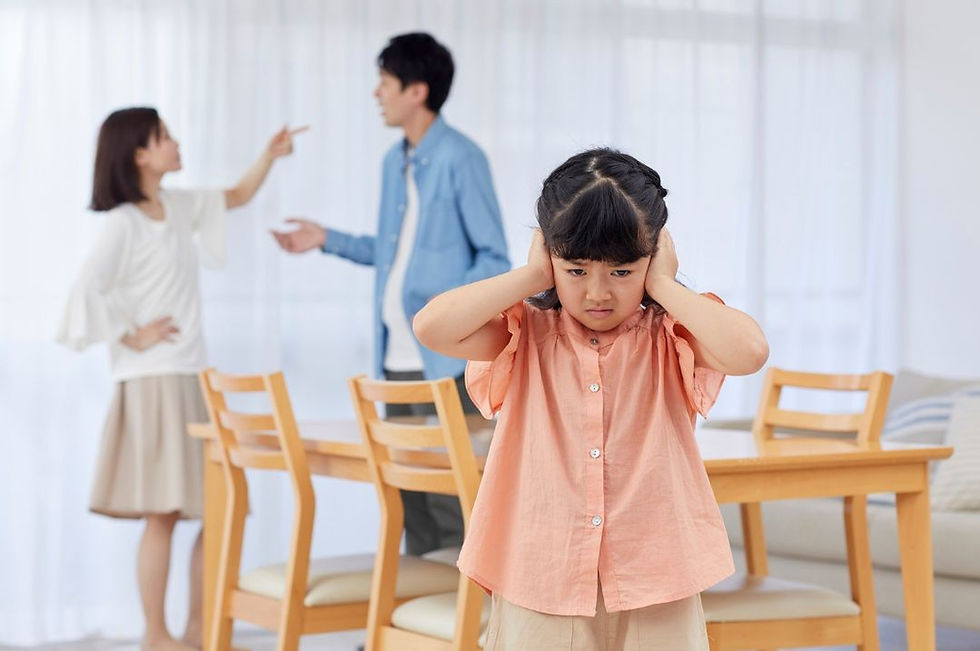
Comments